
Squirrel activity
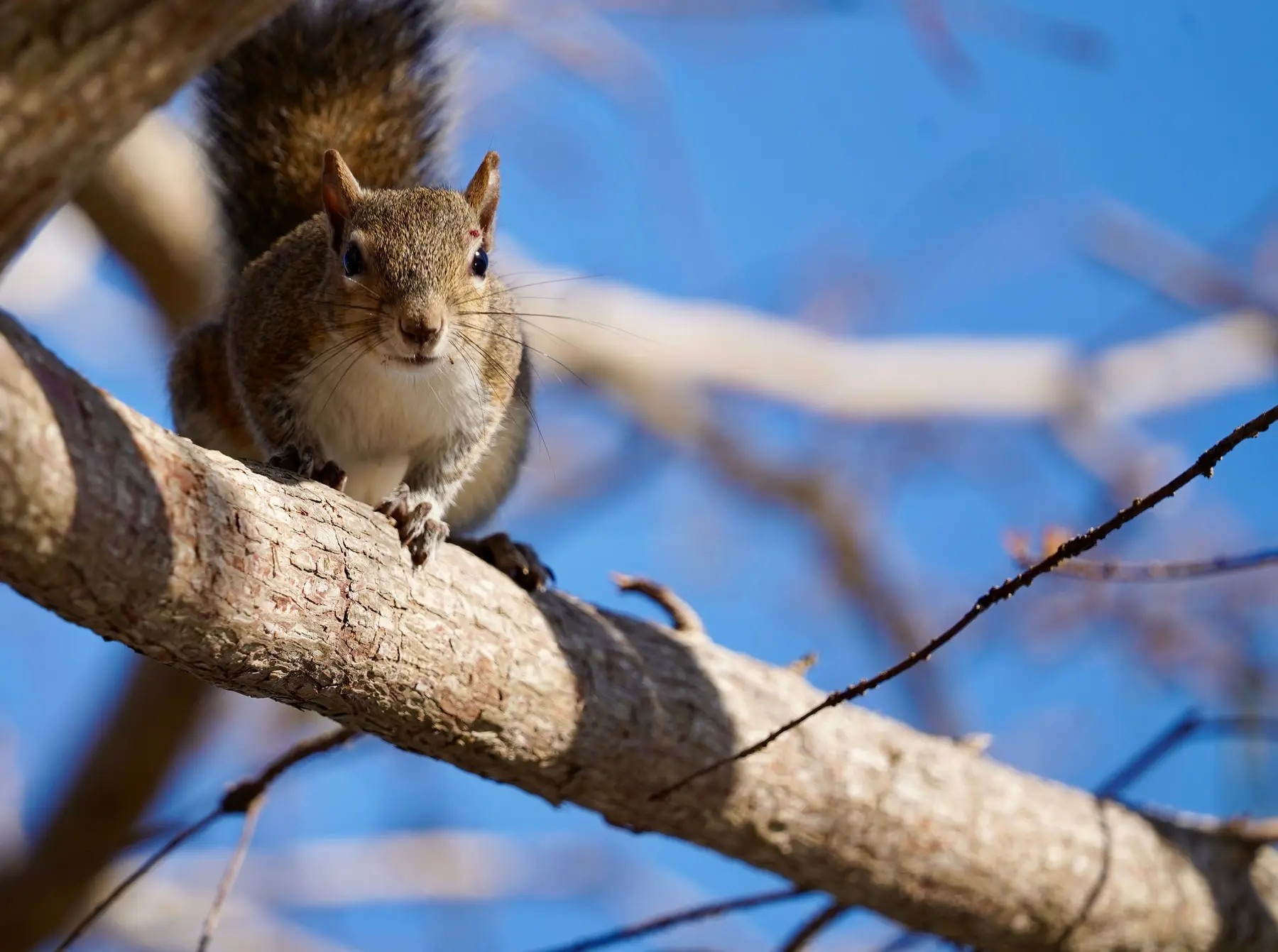
Often connected to gables, eaves, gutters, roofline gaps, and ridge vent conditions.
Squirrel & rodent control
A trap may address one animal. It does not explain how wildlife reached the attic, wall, or crawlspace—or what will prevent the next entry.
What the inspection considers
Time of day, location, sound, droppings, gnawing, and exterior evidence help narrow the possibilities. Squirrel projects may combine species-appropriate exterior control, monitoring, and entry-point repair, while rodent and flying-squirrel projects often require multiple visits as control and exclusion proceed together.
Often connected to gables, eaves, gutters, roofline gaps, and ridge vent conditions.
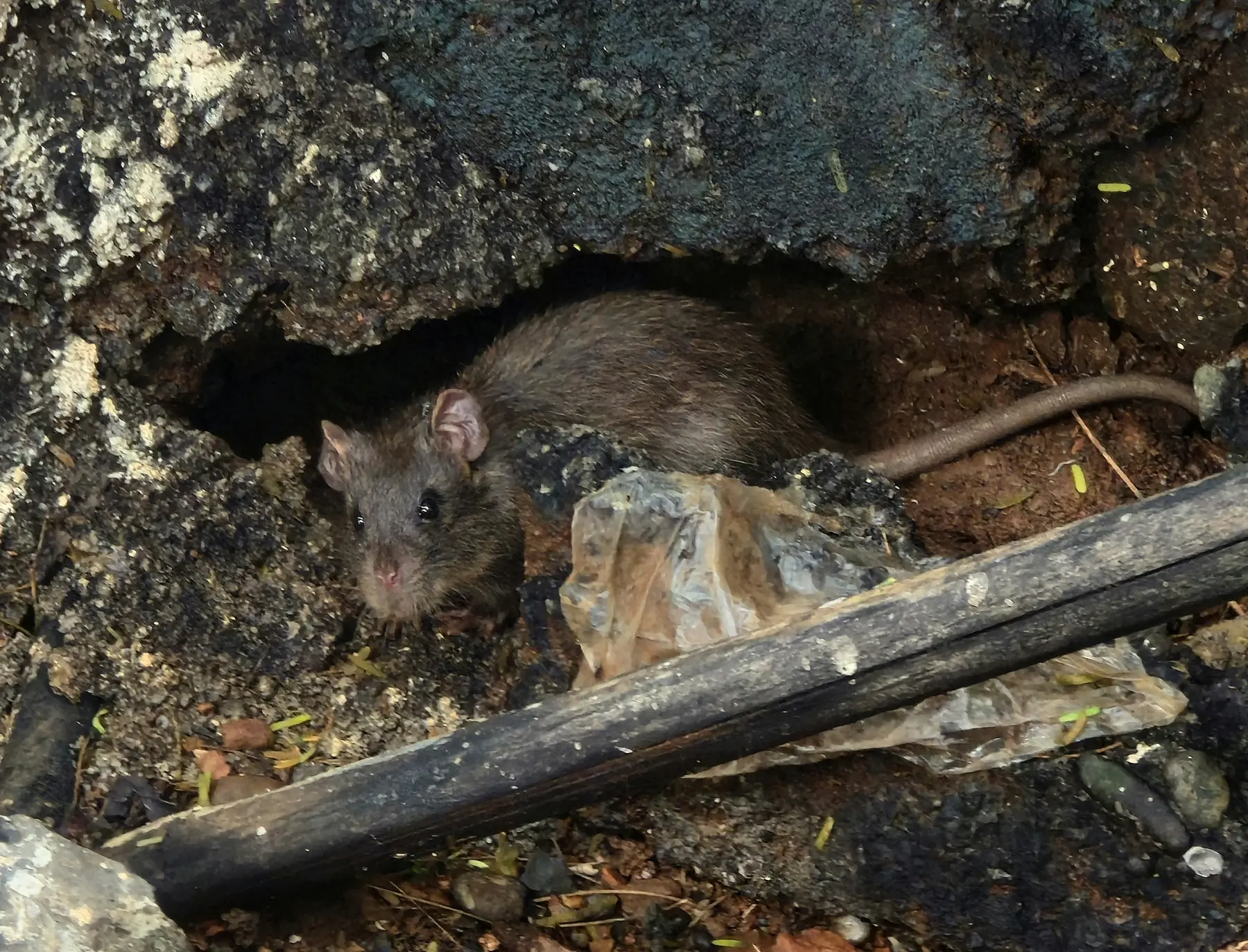
May involve foundations, utilities, vents, AC connections, wall voids, or roof access.
Nesting material, food, droppings, displaced insulation, or wiring concerns may affect the scope.
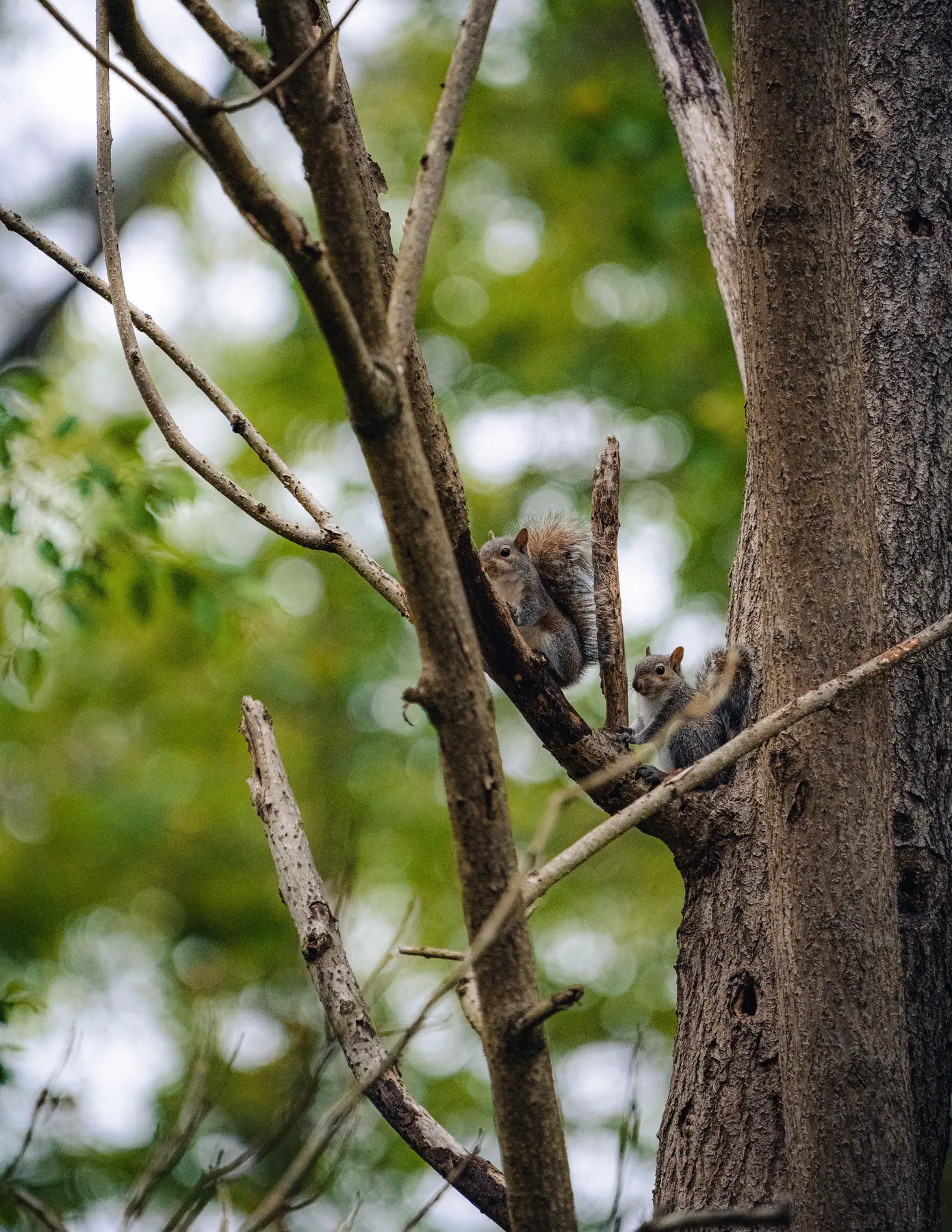
Trees, rooflines, pipes, and connected structures can influence how wildlife reaches the building.
The Critter-Ridder approach
The exact method depends on the species, property, season, accessible areas, and approved scope.
Use visible evidence and property conditions to shape the active-control plan.
Evaluate accessible roofline and foundation-level entry points.
Complete approved exclusion work and address affected materials where appropriate.
Common questions
These answers provide general direction. The correct plan still depends on the property and current conditions.
Explore the complete wildlife guide →Poison may affect individual rodents, but it does not identify or correct the openings that allow new animals to enter. An affected rodent can also die inside a wall, attic, crawlspace, or other inaccessible area and create an odor or insect problem. A stronger plan combines appropriate population control with sanitation, food-source reduction, and structural exclusion based on the actual property.
The time, pace, and location of a sound can provide clues: squirrels are often noticed during daylight, while rats and mice are frequently more active after dark. Those patterns are not absolute, and sound travels through framing in misleading ways. Droppings, gnawing, nesting material, tracks, exterior damage, and the type of entry point help confirm the likely animal and the route it is using.
Tree limbs touching or overhanging the roof can create an easy route and may be worth correcting, but trimming alone does not seal the structure. Squirrels can travel along fences, utility lines, gutters, and adjoining surfaces, and they may climb walls or downspouts. Existing gaps, damaged vents, fascia, soffits, and roof transitions still need to be inspected and addressed.
There may be more than one animal, activity may be occurring in a different part of the building, or the sound may travel from another location. Trap placement and timing also depend on the species and route being used. Continue documenting when and where you hear activity rather than moving equipment or sealing openings without direction; those observations can help refine the control plan.
Droppings show that rodents or other wildlife have used the area, but their age and condition matter. Fresh evidence, repeated sightings, food disturbance, gnawing, tracks, or current sounds make active use more likely. Even older evidence can still point to an uncorrected entry route or a cleanup need, so the surrounding conditions should be evaluated rather than judging activity from one sign alone.
The next step is inspection
Tell us what you are noticing and where it is happening. Critter-Ridder will help determine the appropriate next step.