Attics and rooflines
Review damaged openings, vents, fascia, soffits, and connected access routes.
Larger wildlife control
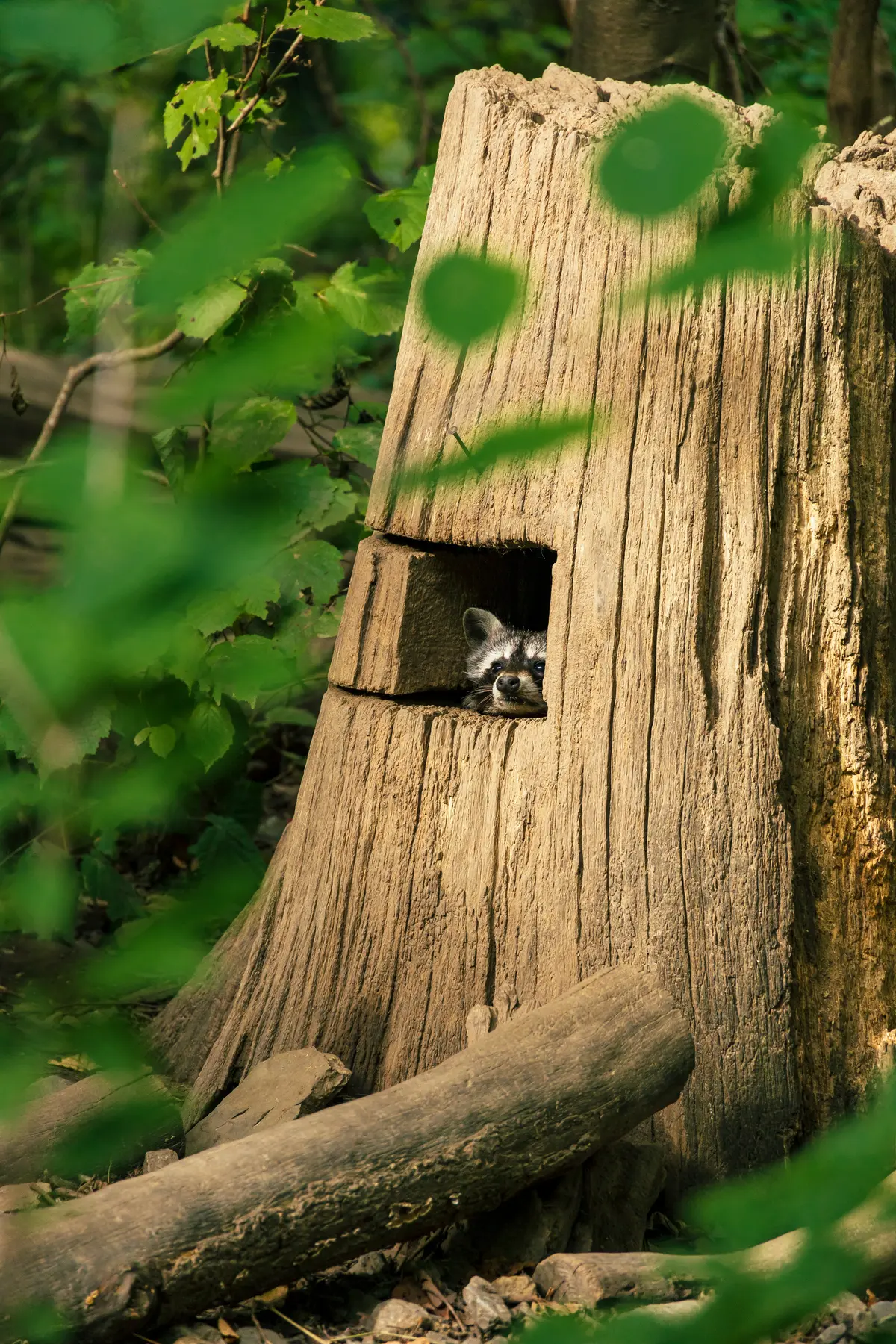
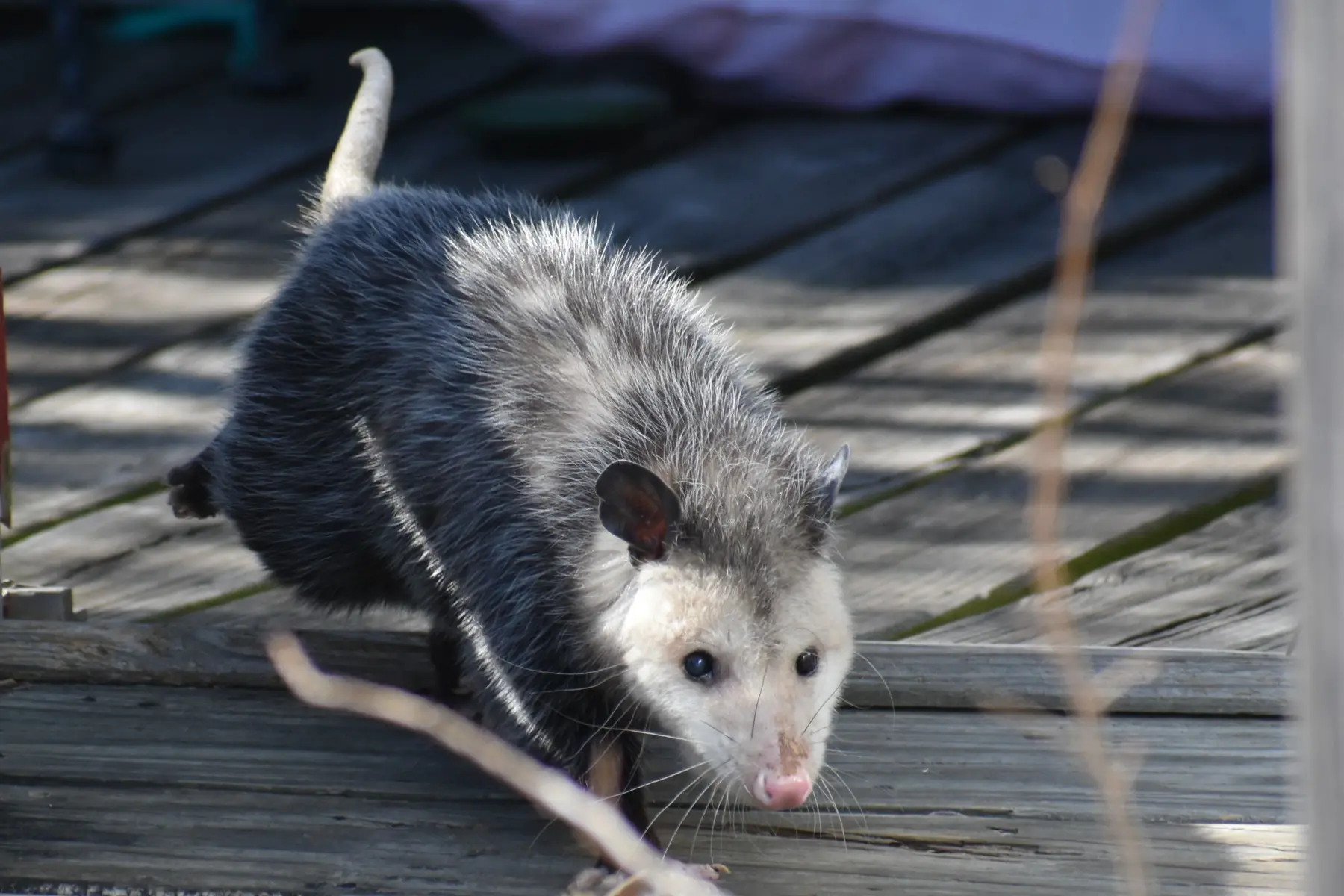
Raccoon and opossum activity can involve attics, chimneys, crawlspaces, decks, or exterior structures. The correct approach depends on location, season, young-animal considerations, and the building.
What the inspection considers
The place where activity occurs changes the available approach. Raccoon activity may require monitoring, eviction or control methods, exclusion, and cleanup. Cameras may be used when appropriate to confirm activity before the final entry point is closed.
Review damaged openings, vents, fascia, soffits, and connected access routes.
Determine whether an active animal, den, or nest is present before cap or screen work.
Evaluate doors, vents, foundation gaps, and the possibility of dependent young.
Decks, sheds, and sheltered areas may require a different control and prevention plan.
The Critter-Ridder approach
The exact method depends on the species, property, season, accessible areas, and approved scope.
Identify the likely species, activity location, access, and young-animal concerns.
Choose a lawful method appropriate to the property and current conditions.
Correct approved access, review damage, and discuss cleanup or protection.
Common questions
These answers provide general direction. The correct plan still depends on the property and current conditions.
Explore the complete wildlife guide →The available method depends on the animal, property conditions, current South Carolina requirements, and what can be done lawfully and humanely in the situation. Relocation is not automatically permitted, appropriate, or successful, so it should not be promised as the default outcome. The service plan should explain the approved control method and what happens after the active animal is addressed.
Dependent young change both the urgency and the technique because removing or excluding the adult alone can leave young behind. The team looks at the season, location, sounds, visible evidence, and access conditions before finalizing the plan. When young are possible, the objective is to resolve the family group appropriately and avoid sealing the structure until the condition is cleared.
Not if an active animal, nest, eggs, or dependent young may still be inside. Closing the chimney too early can trap wildlife, create odor or safety problems, or force an animal into the fireplace or living area. The chimney must first be evaluated and cleared appropriately; cap fit, flue function, airflow, and surrounding masonry or roof conditions are considered afterward.
Both are wild animals and may defend themselves when cornered, injured, protecting young, or approached by people or pets. Avoid handling, feeding, chasing, or entering a confined area with the animal. Keep a safe distance, secure pets, and seek appropriate medical or veterinary guidance after a bite, scratch, or possible disease exposure.
The location may offer shelter, warmth, food, water, or a protected den site. Even after one animal leaves, odors, nesting material, an open chimney, a damaged vent, a crawlspace gap, or an easy route under a deck can continue to attract or admit wildlife. Prevention therefore focuses on correcting the approved access condition and reducing relevant attractants after the active situation is resolved.
The next step is inspection
Tell us what you are noticing and where it is happening. Critter-Ridder will help determine the appropriate next step.