Attic or crawlspace
Inspect accessible areas, evidence, airflow, and affected materials.
Accessible removal & odor response
Odor may be the first sign, but location and access determine the next step. Critter-Ridder evaluates likely areas, removes accessible remains, and explains cleanup or repair options honestly.
What the inspection considers
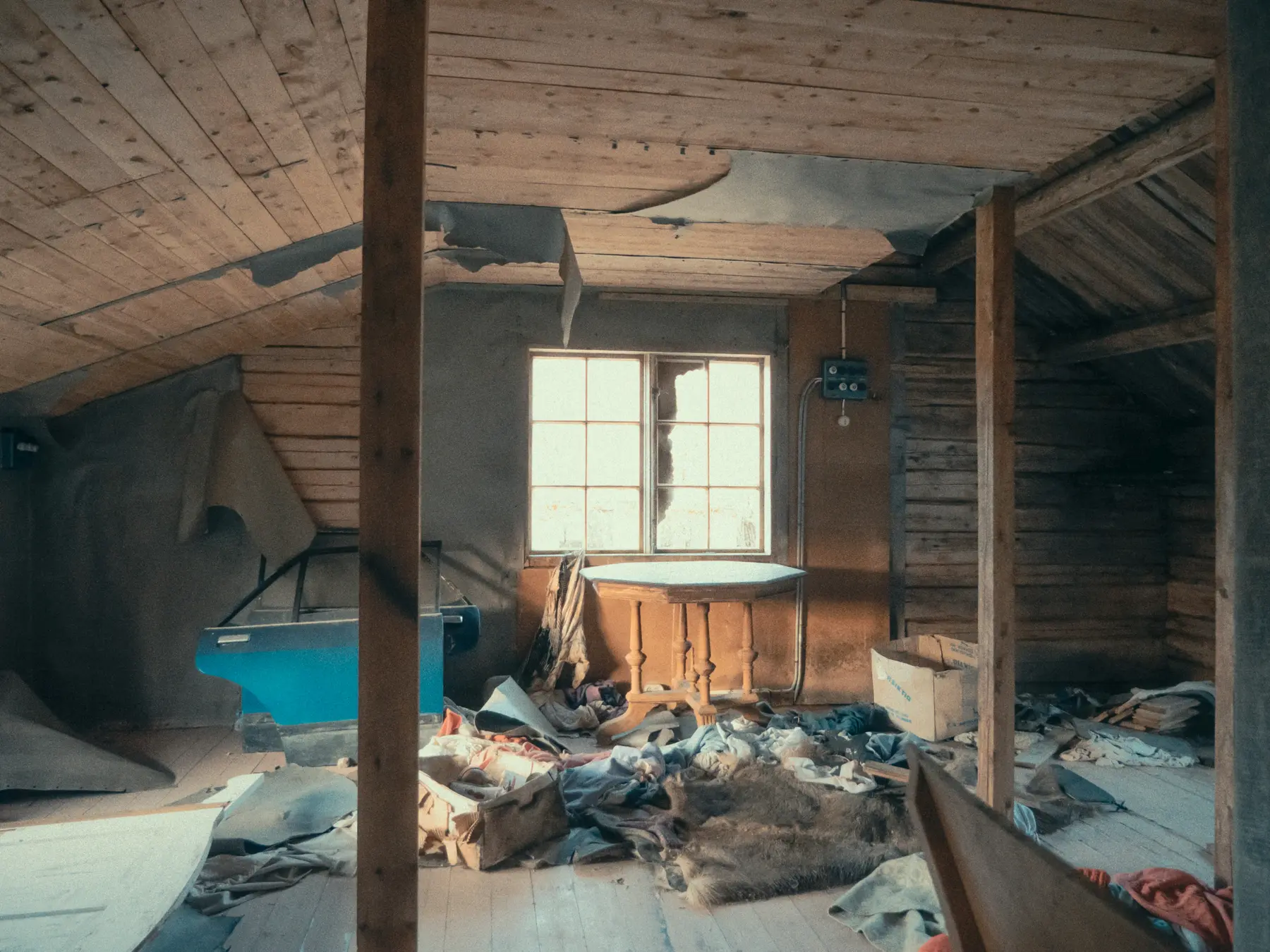
Remains may be in an attic, crawlspace, chimney, wall void, duct-adjacent area, or exterior location. Some conditions require opening or repair work to reach the source.
Inspect accessible areas, evidence, airflow, and affected materials.
Use odor, activity history, and structural clues to narrow the likely location.
Evaluate the access path and whether related protection should follow removal.
Discuss practical cleaning and treatment options appropriate to the accessible condition.
The Critter-Ridder approach
The exact method depends on the species, property, season, accessible areas, and approved scope.
Evaluate odor pattern, wildlife history, access, and likely structural location.
Retrieve and dispose of accessible remains using the appropriate process.
Review cleanup, odor treatment, access repair, or entry-point correction.
Common questions
These answers provide general direction. The correct plan still depends on the property and current conditions.
Explore the complete wildlife guide →No. Odor intensity and duration depend on the size and location of the animal, the stage of decomposition, temperature, humidity, airflow, porous materials, insects, and whether the source can be completely reached. Removing accessible remains is the most important step, but affected insulation, wood, drywall, duct-adjacent areas, or hidden fluids may continue to hold odor. The inspection should set a realistic expectation based on access and the materials involved.
Sometimes, particularly when the likely source is inside a closed wall, ceiling cavity, duct chase, or other inaccessible space. Odor patterns and activity history can help narrow the location, but opening the wrong area creates unnecessary damage and still may not reach the source. Any proposed access opening, repair responsibility, limitations, and cost should be explained before work is authorized.
No. Deodorizers, disinfectants, or enzyme products may help with an accessible affected area after removal, but they do not eliminate a source that remains inside the structure. Product choice also depends on the surface, contamination, ventilation, occupancy, and label directions. Treatment should support source removal and cleanup—not disguise an unresolved condition.
There is no dependable universal timeline. Heat and humidity can intensify odor, while the animal’s size, location, airflow, insects, and surrounding materials affect how the condition develops. If the source is accessible, removal and targeted cleanup can shorten the problem; if it cannot be reached safely, the response may focus on locating it more precisely, improving practical odor control, and monitoring the condition.
Certain flies can be attracted to decomposing organic material and may emerge from a wall, attic, crawlspace, or other concealed area near the source. Their location can provide another clue, but it does not always identify the exact cavity. Removing accessible remains and affected debris addresses the source more directly than treating visible adult flies alone.
The next step is inspection
Tell us what you are noticing and where it is happening. Critter-Ridder will help determine the appropriate next step.