
Assess the Situation
Identify where the snake was seen, whether it remains accessible, and what safety considerations affect the response.
PROFESSIONAL SNAKE CONTROL
A snake inside, beneath, or around a home can be alarming—but the right response starts with identifying where it was seen, whether it is still accessible, and what conditions may have allowed it close to the structure. Critter-Ridder evaluates the immediate situation, removes accessible snakes when conditions allow, and explains the practical next step.
THE WHOLE-PROPERTY VIEW
A snake sighting is the immediate concern. A useful inspection also considers where the snake was found, what may be attracting it, and whether accessible gaps or hiding areas are contributing to the problem.
Identify where the snake was seen, whether it remains accessible, and what safety considerations affect the response.
Use an appropriate method for an accessible snake based on its location, the property conditions, and the limits of the situation.
Review likely shelter, prey activity, clutter, moisture, and accessible entry points so the homeowner understands what should be corrected next.
SNAKES MEET THE STRUCTURE
Snakes do not chew their own way into a house. They use openings that already exist and often follow shelter, moisture, or prey such as rodents, frogs, and insects. A snake in a garage, crawlspace, basement, attic, or yard should be evaluated in context—not treated as an isolated surprise.
Explore snake removal services →SNAKE REMOVAL SERVICES
Professional snake control addresses the immediate sighting, accessible removal, likely entry conditions, and practical prevention priorities.
Evaluate the sighting location, accessible hiding areas, and property conditions before recommending the next step.
Explore this service →Locate and remove an accessible snake from living areas, garages, basements, attics, or other reachable spaces when conditions allow.
Explore this service →Inspect accessible crawlspace doors, foundation vents, utility penetrations, and low-level gaps that may allow snake movement.
Explore this service →Assess door gaps, stored materials, wall edges, and sheltered spaces where snakes may hide or enter.
Explore this service →South Carolina DNR lists black racers, brown snakes, corn snakes, eastern garter snakes, eastern kingsnakes, rough green snakes, nonvenomous water snakes, and rat snakes among the state’s commonly seen snakes.
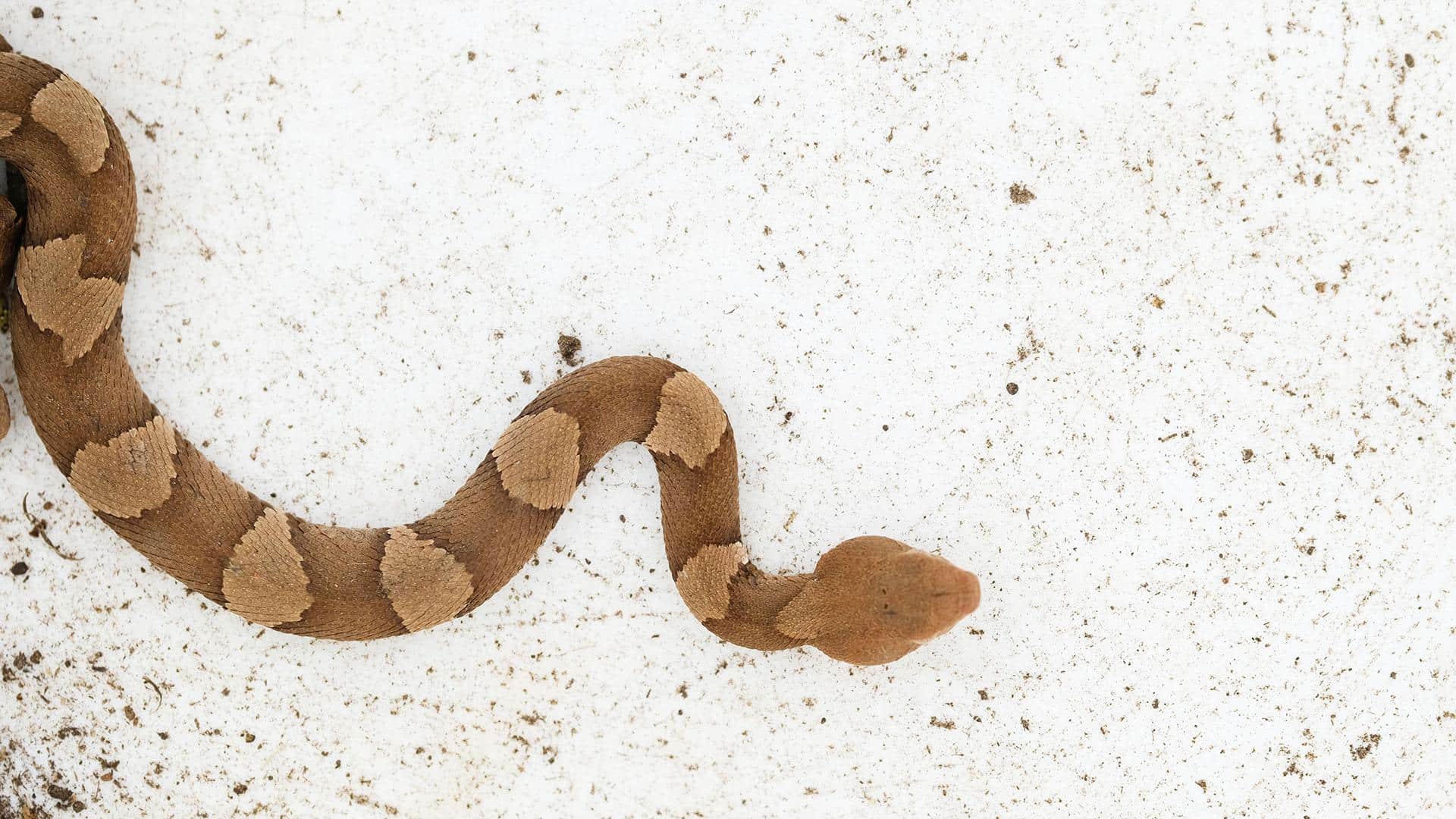
Explore this service →Some South Carolina snakes are venomous. Do not approach, handle, pin, or attempt to identify a potentially venomous snake at close range. Keep people and pets away and call for professional direction.
Explore this service →Correct approved, accessible gaps only after the active situation has been evaluated and the area is clear for exclusion work.
Explore this service →Identify practical priorities involving rodents, dense ground cover, debris, moisture, firewood, and other conditions that may make areas near the home more attractive.
Explore this service →WHY CRITTER-RIDDER
The goal is to understand the actual situation and give you a clear path forward. That means separating an immediate snake sighting from the property conditions, prey activity, and access points that may need attention.
Review the sighting location, reachable hiding areas, foundation conditions, garage gaps, crawlspace access, utilities, and other relevant areas.
Understand what was observed, what remains uncertain, and why each recommendation is being made.
Snake removal, exclusion, habitat correction, and rodent or insect control are explained as distinct parts of the work.
Species, location, access, weather, visibility, and safety conditions can change what can be confirmed or completed during a visit.
WHAT TO EXPECT
Every snake situation is different. The decision path should still be clear.
Evaluate the sighting location, accessible hiding areas, likely snake activity, and relevant property conditions.
Determine the safest practical response based on accessibility, probable species indicators, and the immediate surroundings.
Remove the accessible snake when conditions allow and complete only the authorized entry-point or habitat corrections.
Review completed work, explain remaining uncertainties, and provide prevention and follow-up priorities.
WHERE SNAKES HIDE OR GET IN
Snake control begins by looking beyond the place where the animal was first seen. Snakes may move through ground-level gaps, crawlspaces, garages, utility openings, landscape cover, and connected voids while following shelter or prey.
LOCAL SERVICE AREA
Based in Lexington, with surrounding communities served by confirmed availability. Share the property address and where the snake was seen so current coverage and the appropriate response can be confirmed.
GOOGLE REVIEWS
Homeowners consistently value clear explanations, careful inspections, photo documentation, and a team that treats the property with respect.
Customers value inspections that explain what was found, what may be contributing to the issue, and what should happen next.
Feedback regularly recognizes respectful service, clear communication, and care around the home.
Homeowners appreciate an approach that connects the immediate wildlife issue to access points and prevention.
COMMON QUESTIONS
Start with where the snake was seen, whether it is still visible, and whether people or pets can stay away from the area. An inspection connects those facts to the actual property conditions.
Explore the South Carolina Wildlife Guide →Keep people and pets away, close an interior door if you can do so without approaching the snake, and do not try to catch or pin it. Note where it was last seen and call Critter-Ridder. If the snake disappears, avoid reaching into boxes, furniture, appliances, or other concealed areas.
A clear photo taken from a safe distance may help narrow the possibilities, but a photo is not always enough for a confident identification. Lighting, angle, pattern variation, and partial visibility can make species look similar. Never move closer or handle a snake just to obtain a better image.
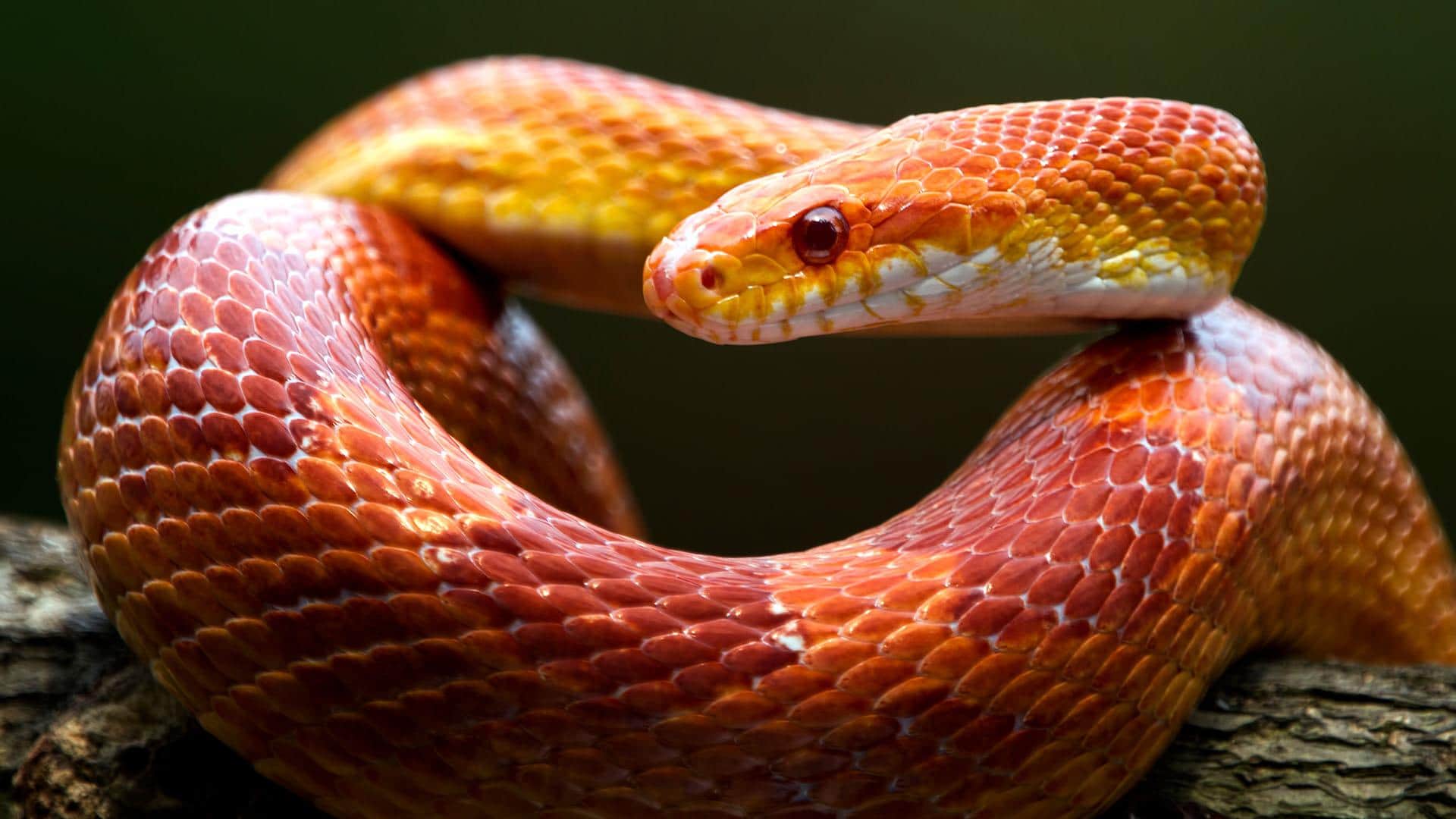
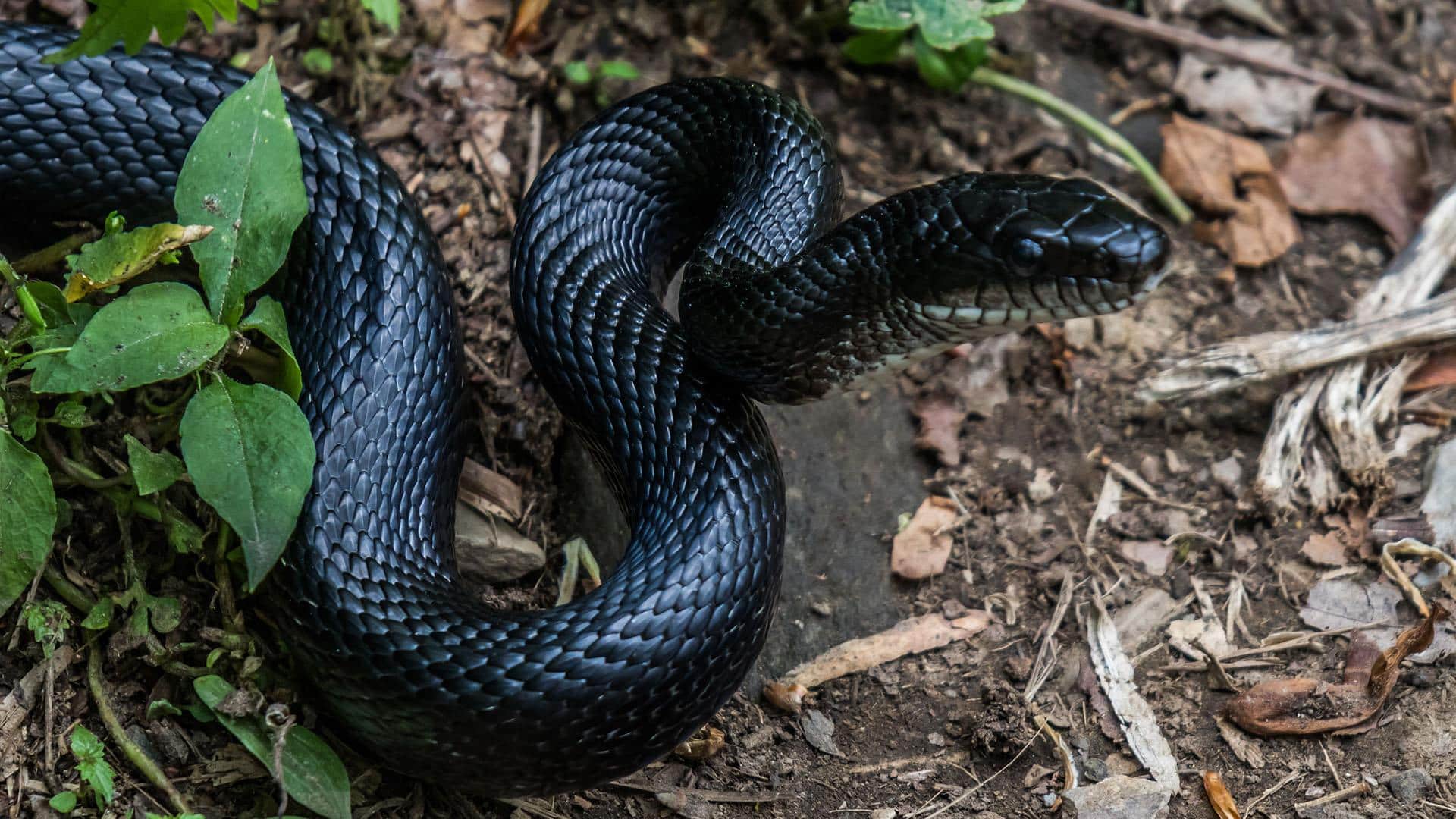
South Carolina DNR lists black racers, brown snakes, corn snakes, eastern garter snakes, eastern kingsnakes, rough green snakes, nonvenomous water snakes, and rat snakes among the state’s commonly seen snakes. Lexington-area properties may encounter different species depending on habitat, water, prey, and season, so the actual snake should not be assumed from a general list.
No. South Carolina has both venomous and nonvenomous snakes, and many help control rodents and other pests. Because misidentification is possible, keep your distance and treat an unknown snake cautiously until it can be evaluated.
It may resolve the immediate sighting, but it does not automatically correct the conditions that brought the snake close to the home. Prey activity, ground cover, moisture, storage, and accessible openings may still need attention.
Not until the active situation has been evaluated. Sealing too early can trap an animal inside or redirect movement into another part of the structure. Correct entry points only after the area and timing are appropriate.
Do not rely on improvised chemical treatments. Focus first on accessible removal, rodent and insect pressure, ground-level shelter, moisture, clutter, and verified openings. Any product use should follow its label and applicable law.
Critter-Ridder is based in Lexington and serves surrounding Greater Midlands communities subject to confirmed availability. Provide the property address, sighting location, and whether the snake is still visible when requesting service.
THE NEXT STEP
Tell us where the snake was seen, whether it is still visible, and what part of the property is involved. We’ll help you determine the right next step.