Address the Activity
Identify the likely species, location, and situation before choosing an appropriate control method.
Professional wildlife control
Critter-Ridder evaluates the active wildlife, the way it is getting in, and the conditions it left behind—then recommends a practical plan for removal, exclusion, repair, and cleanup.
Clear findings. Photo documentation.
No-pressure recommendations based on the property.
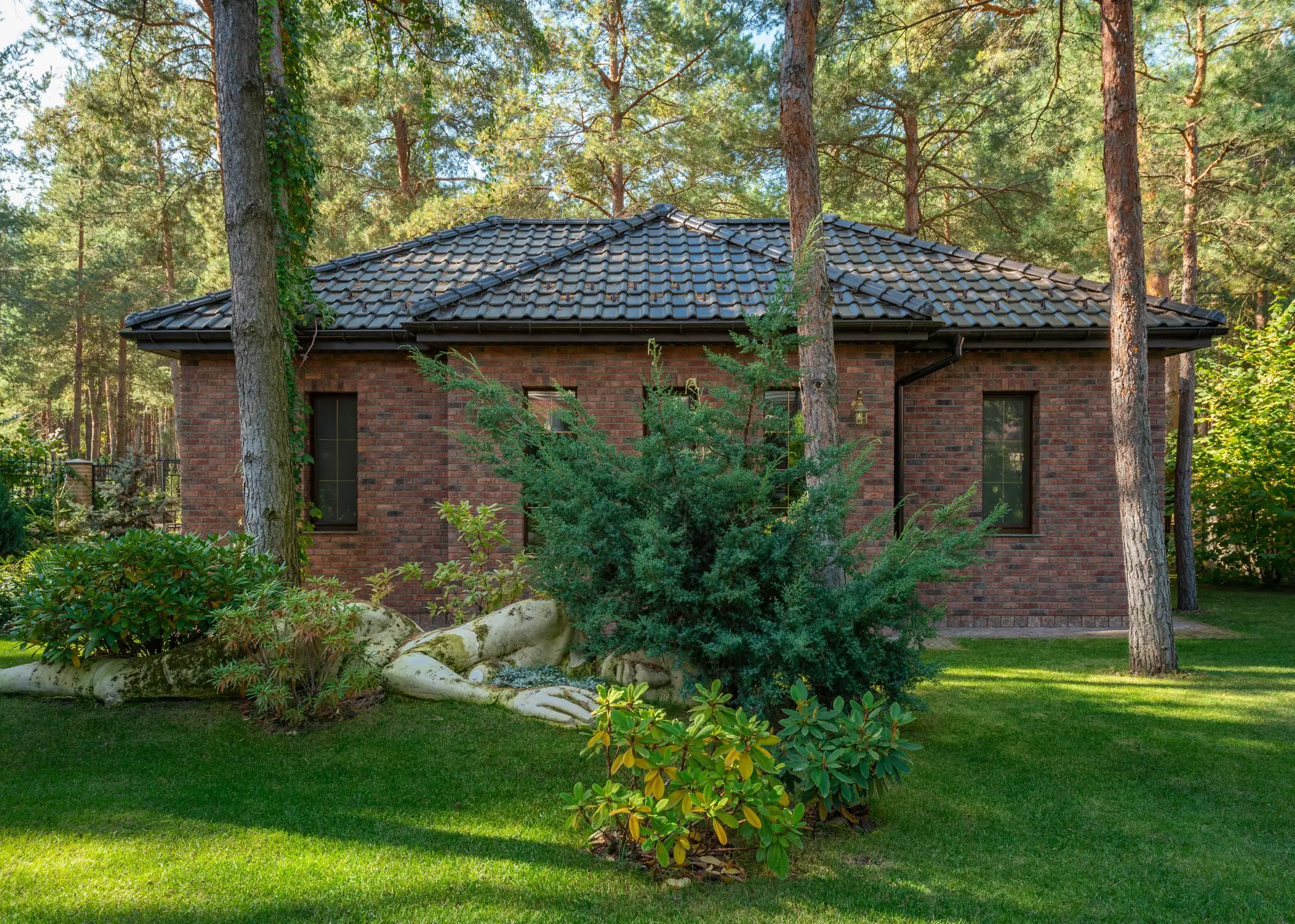
Activity → entry points → damage → prevention
The whole-property view
Wildlife activity is one layer of the problem. A durable plan also considers how the animal entered and what needs attention after it is gone.
Identify the likely species, location, and situation before choosing an appropriate control method.
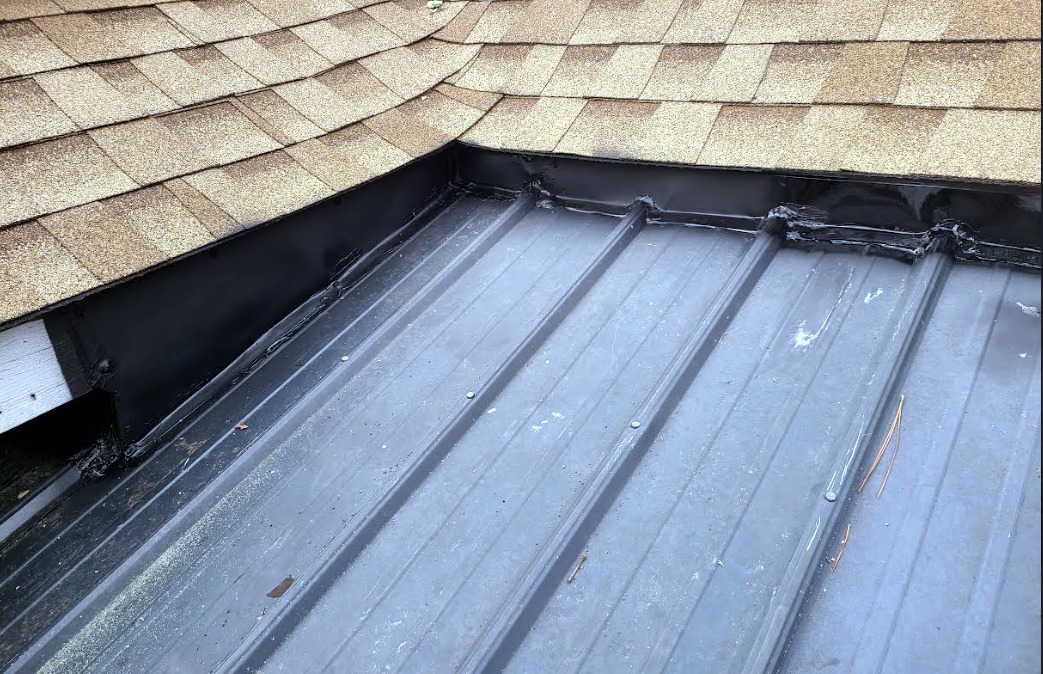
Evaluate accessible high and low entry points, then repair approved gaps and vulnerable areas.
Review debris, odor, damage, and cleanup needs so the next step is clear and properly scoped.
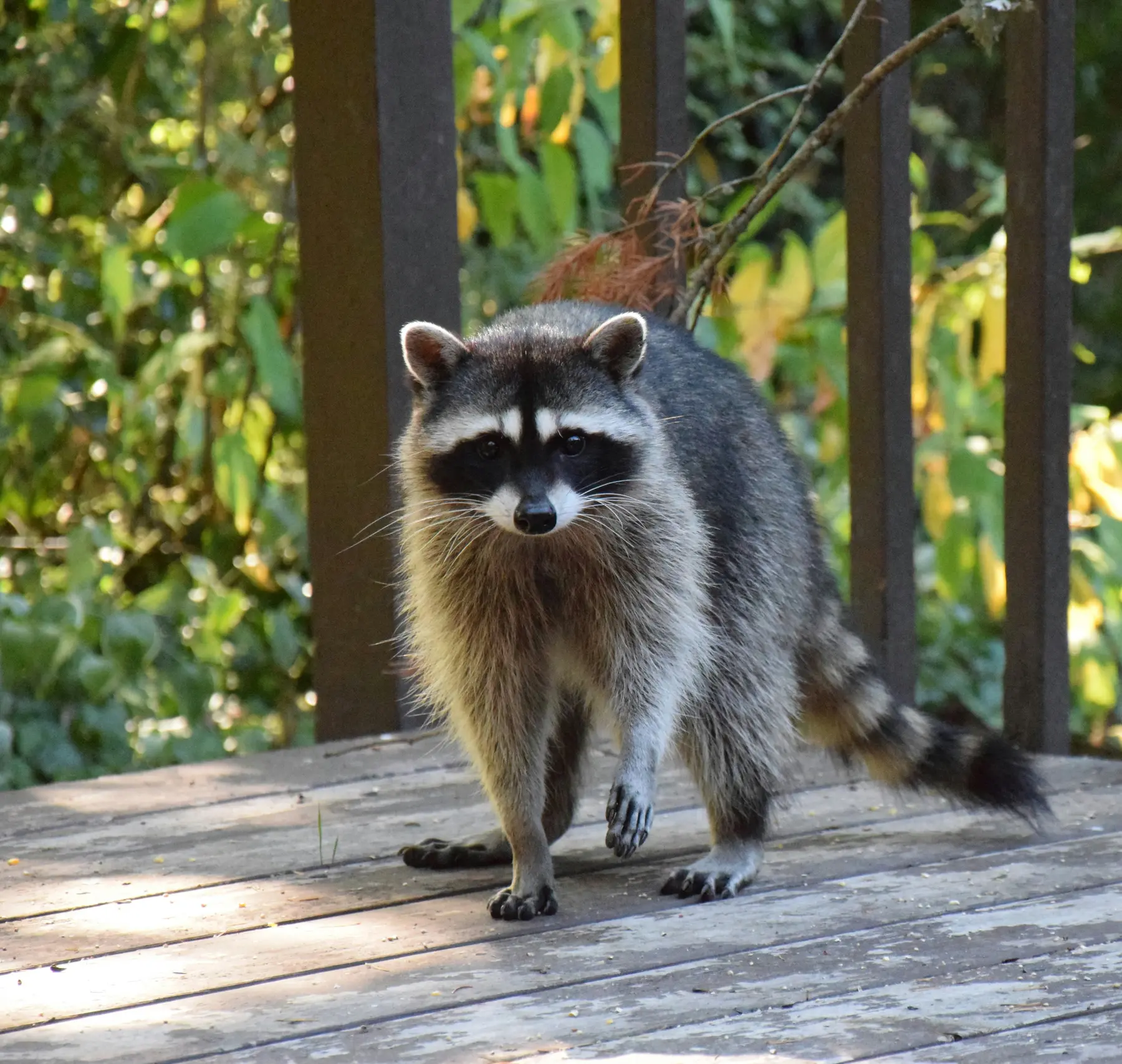
Wildlife meets the structure
A raccoon on a deck, a squirrel at the roofline, or movement in an attic all point back to access, shelter, and the conditions around the home. The inspection connects those clues before a solution is recommended.
Explore wildlife services →Wildlife services
Each service page answers a different property problem without reducing wildlife work to a generic pest-control package.
 01
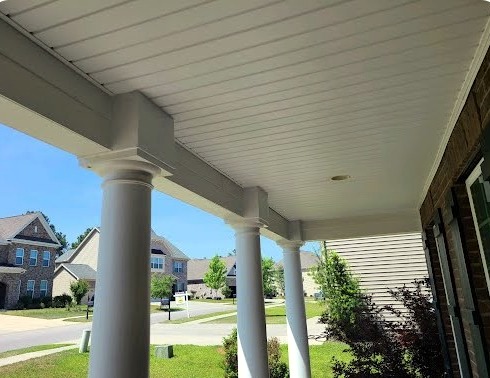
01Correct accessible gaps, vents, roofline vulnerabilities, and other likely entry points.
Explore this service →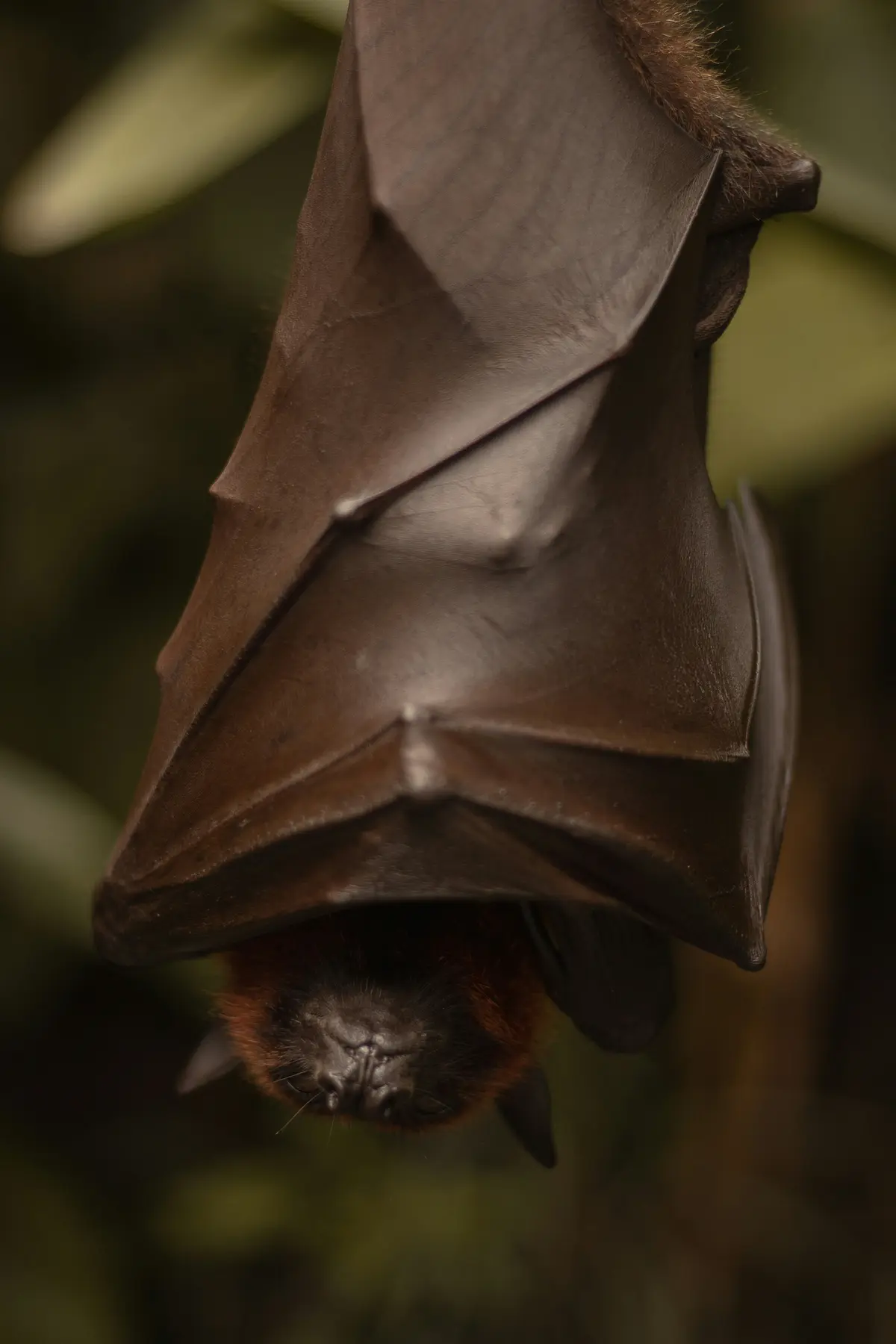 02
02Timing-sensitive inspection, exclusion planning, secondary-gap sealing, and cleanup options.
Explore this service →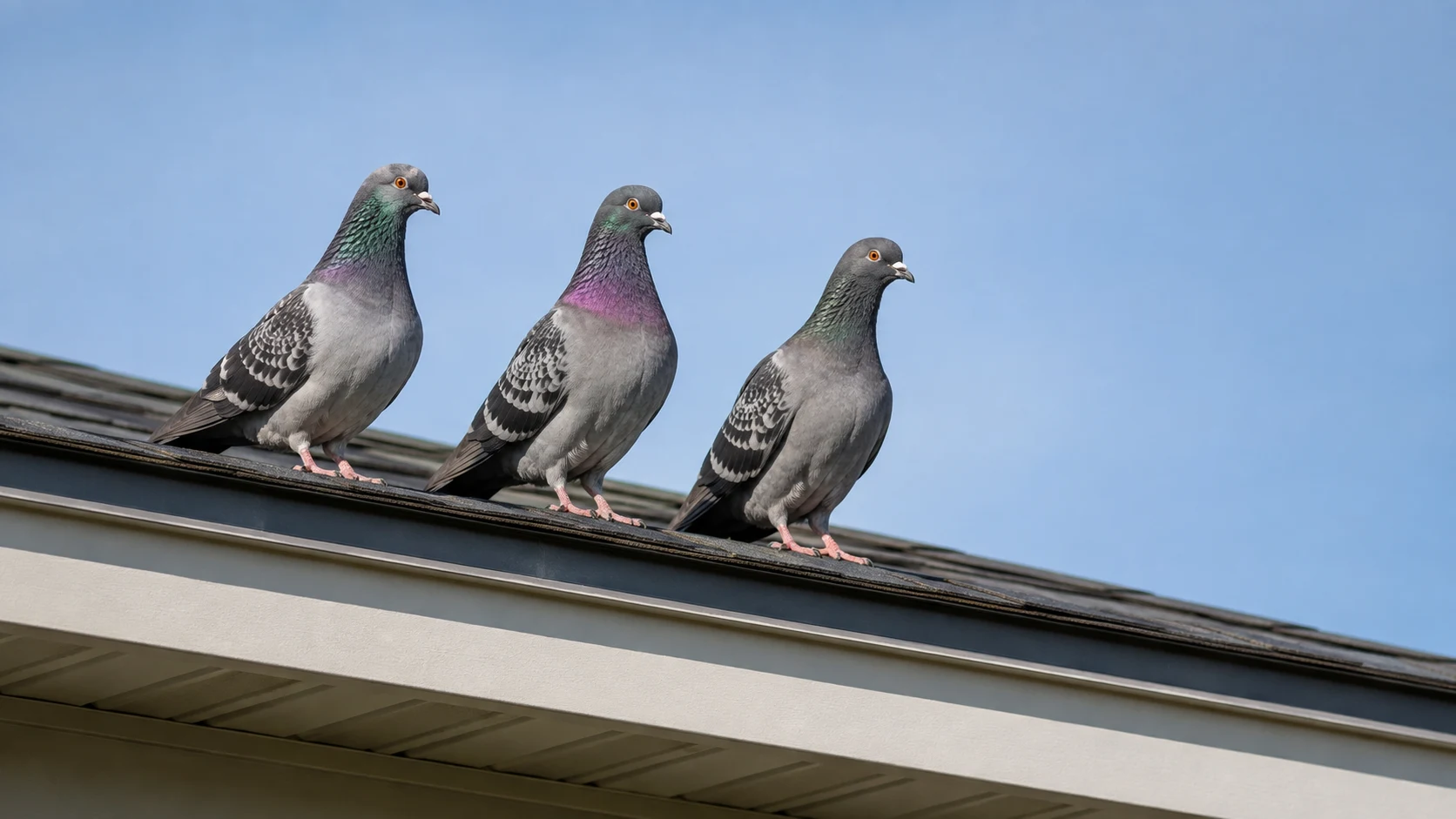 03
03Species- and property-aware deterrence, screening, exclusion, and entry protection.
Explore this service →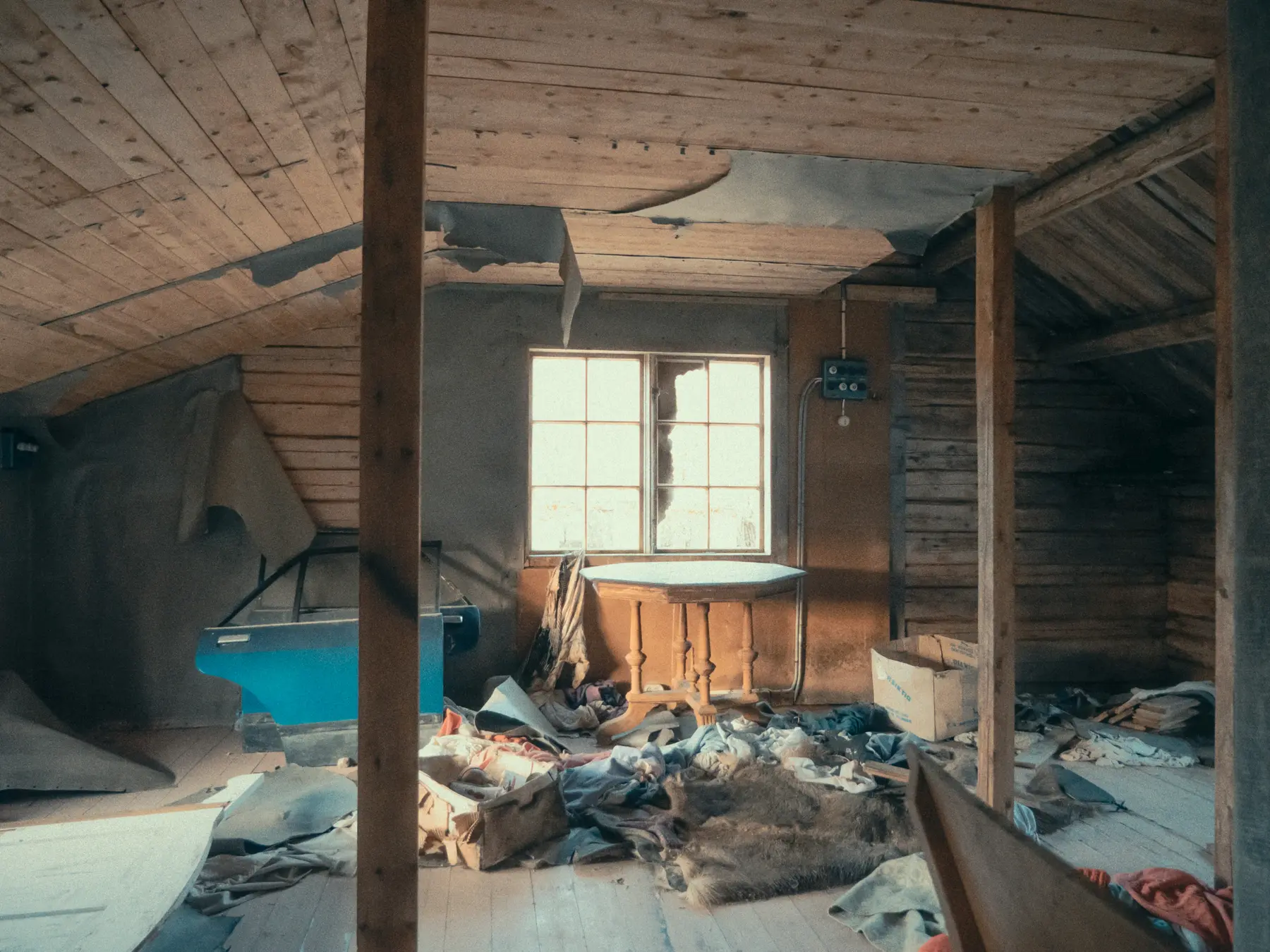 04
04Locate and remove accessible remains, then address affected areas and odor conditions.
Explore this service →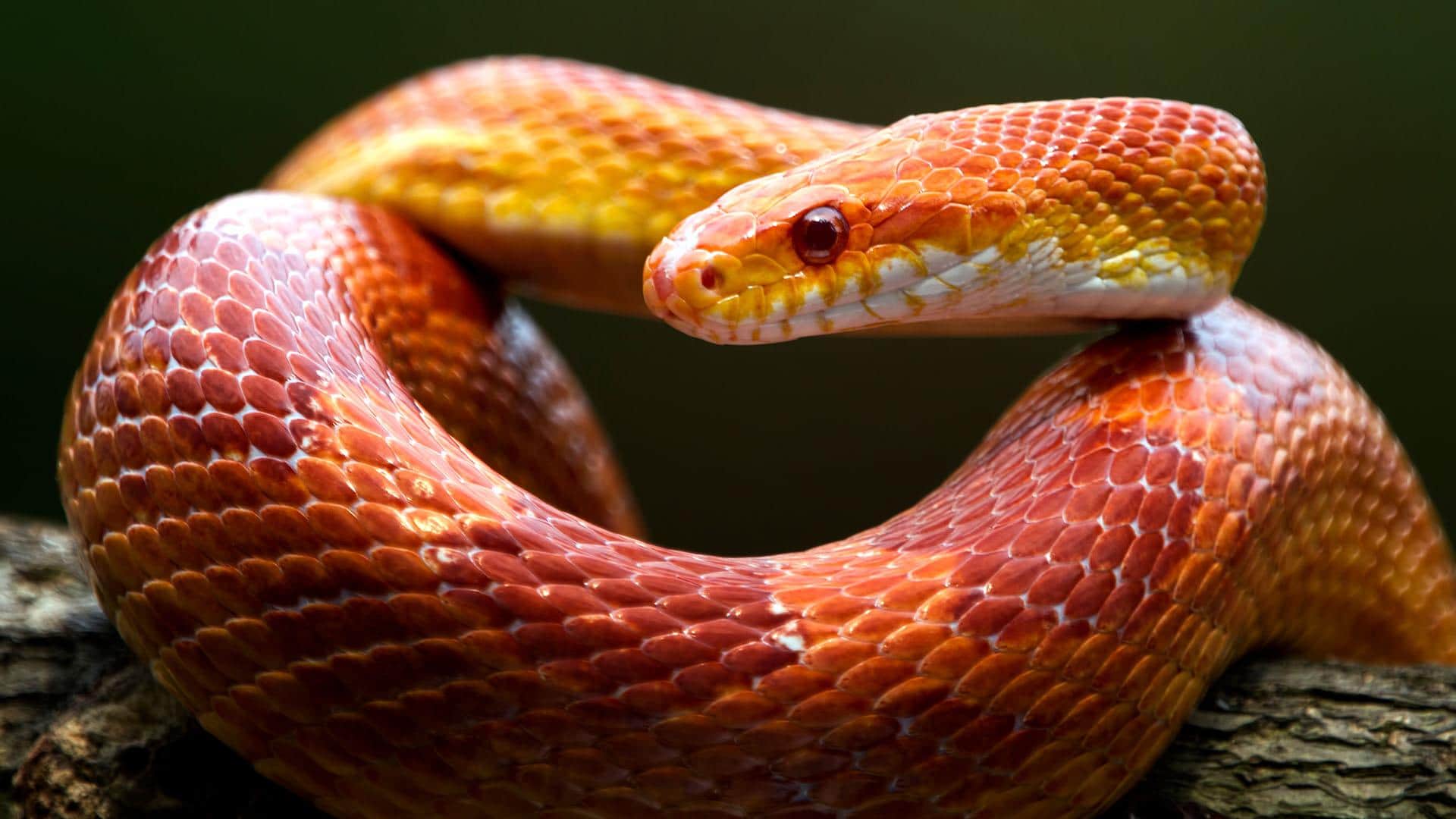 05
05Professional response for snake sightings, accessible removal, entry conditions, and prevention priorities.
Explore this service →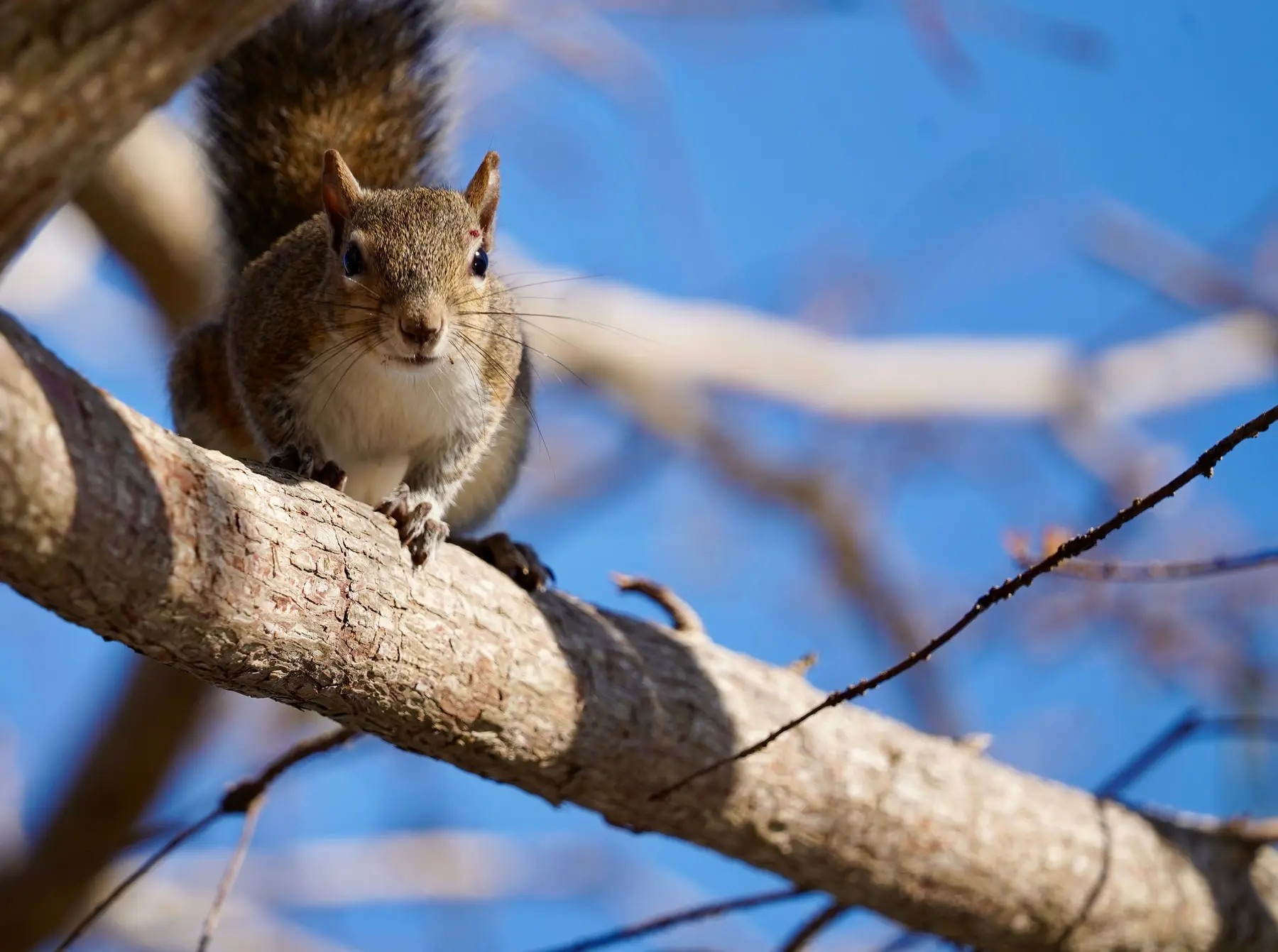 06
06Evaluate both high and low access points—not just the activity you can hear.
Explore this service →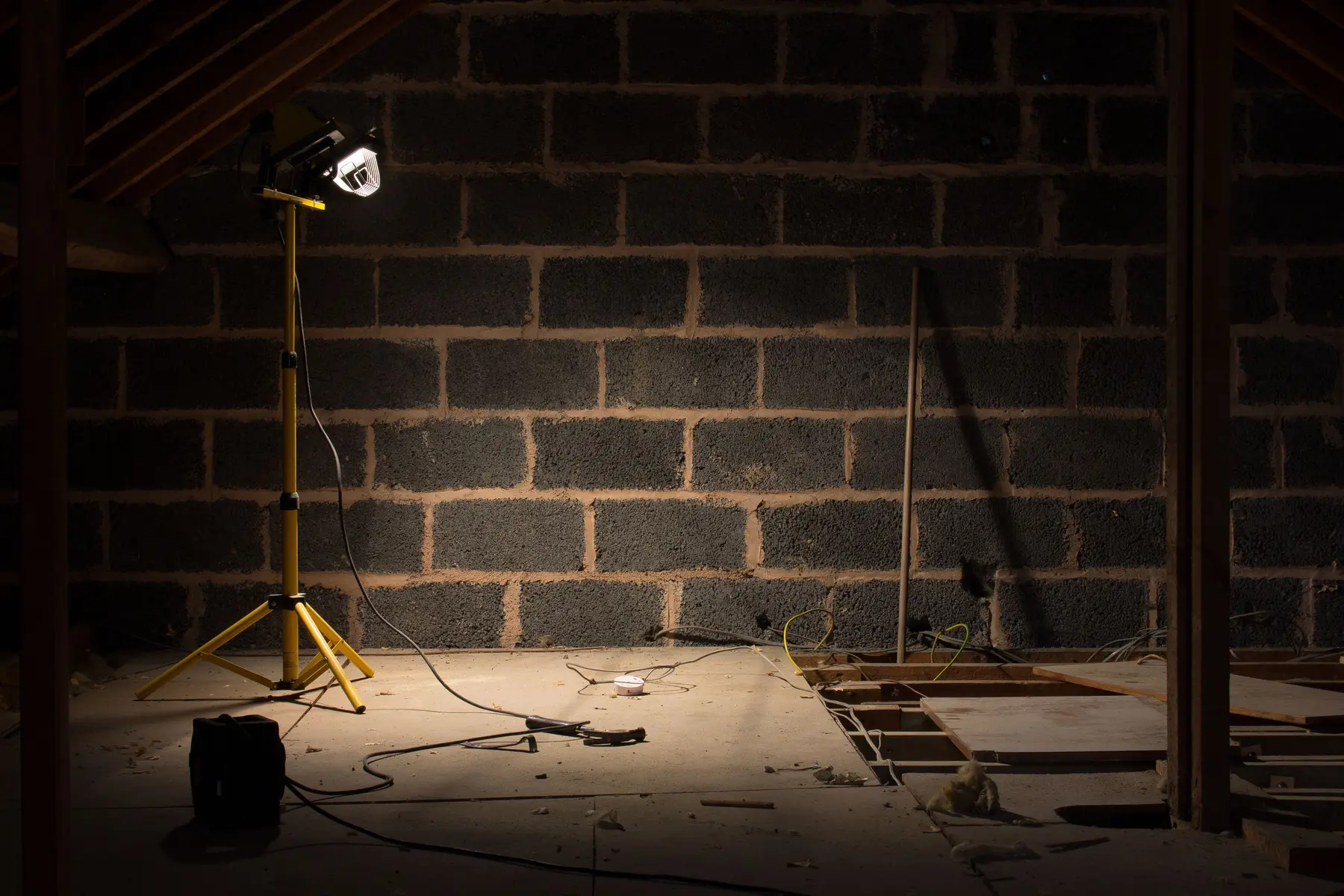 07
07Remove accessible debris and nesting material with treatment options where appropriate.
Explore this service →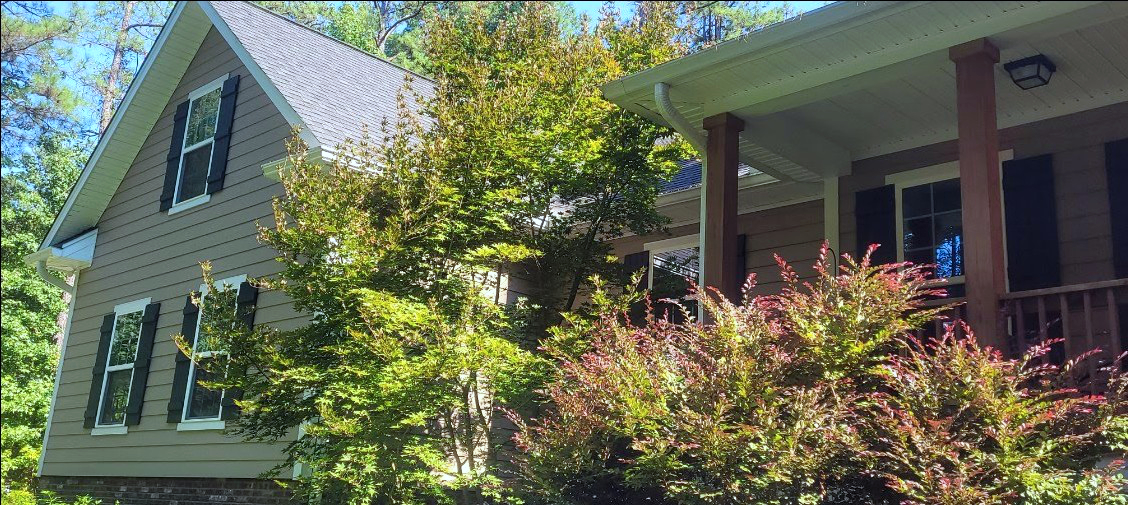 08
08A property-specific plan for active wildlife, access conditions, and the work needed next.
Explore this service →Our history & reputation
Critter-Ridder was established in Lexington in 2003 and grew from pest and termite work into a focused nuisance-wildlife company. As the work evolved, the standard stayed the same: inspect carefully, explain the conditions clearly, and recommend what the property actually needs.
Today, owner and lead inspector Jason Brabham brings that practical, whole-property perspective to wildlife removal, exclusion, repair, and cleanup across the Greater Midlands. Critter-Ridder has been BBB Accredited since 2008.
Why Critter-Ridder
The goal is to understand the actual conditions and give you a clear path forward. That means separating immediate wildlife activity from structural access, cleanup, and long-term prevention.
Meet Critter-Ridder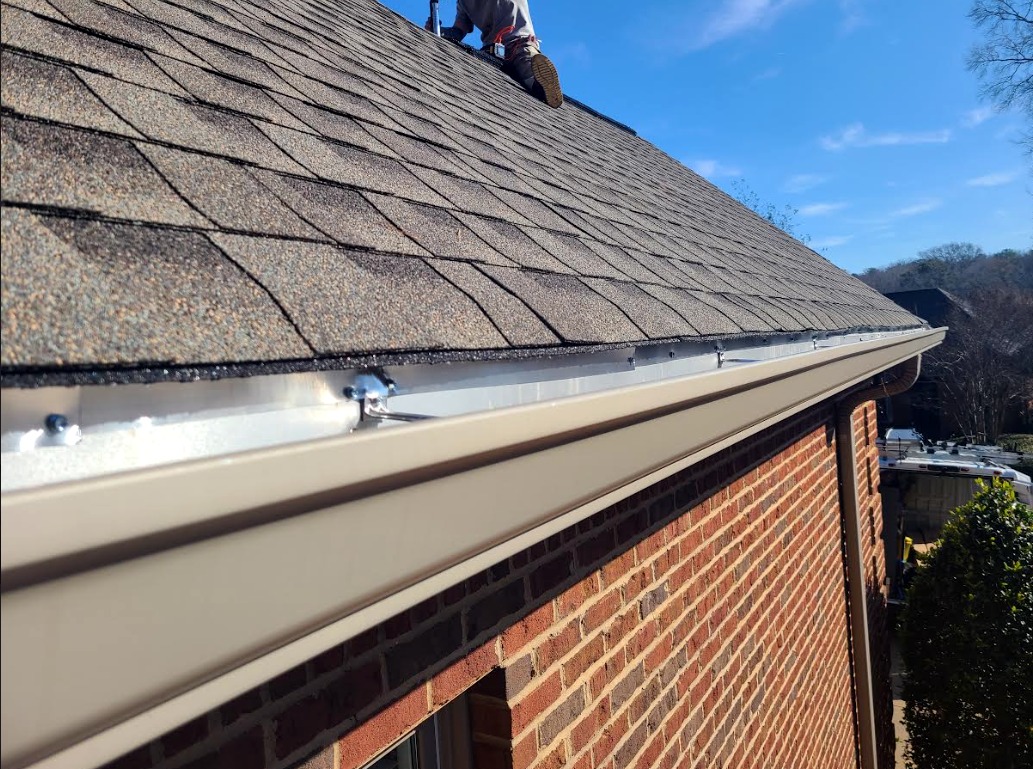
Roofline, vents, soffits, foundation conditions, utilities, chimneys, and other likely access areas.
See relevant conditions and understand why each recommendation is being made.
Active control, exclusion, repair, and cleanup are explained as distinct parts of the work.
Timing, access, species, building conditions, and wildlife rules can change the available approach.
What to expect
Every property is different. The decision path should still be clear.
Evaluate accessible conditions, likely wildlife activity, and entry points.
Choose appropriate, lawful methods for the active wildlife situation.
Complete authorized exclusion and repair work at approved vulnerabilities.
Review completed work and explain cleanup, follow-up, or warranty details.
Warranty & follow-up
Complete the full recommended seal, mend, and repair scope, and Critter-Ridder backs the covered work with a five-year transferable warranty. Coverage applies to the work identified in the written project scope and excludes structural conditions outside the company’s control.
Where wildlife gets in
Entry-point work begins by looking beyond the obvious hole. Wildlife may move between roofline, attic, walls, foundation, crawlspace, and exterior structures.
See How Exclusion Works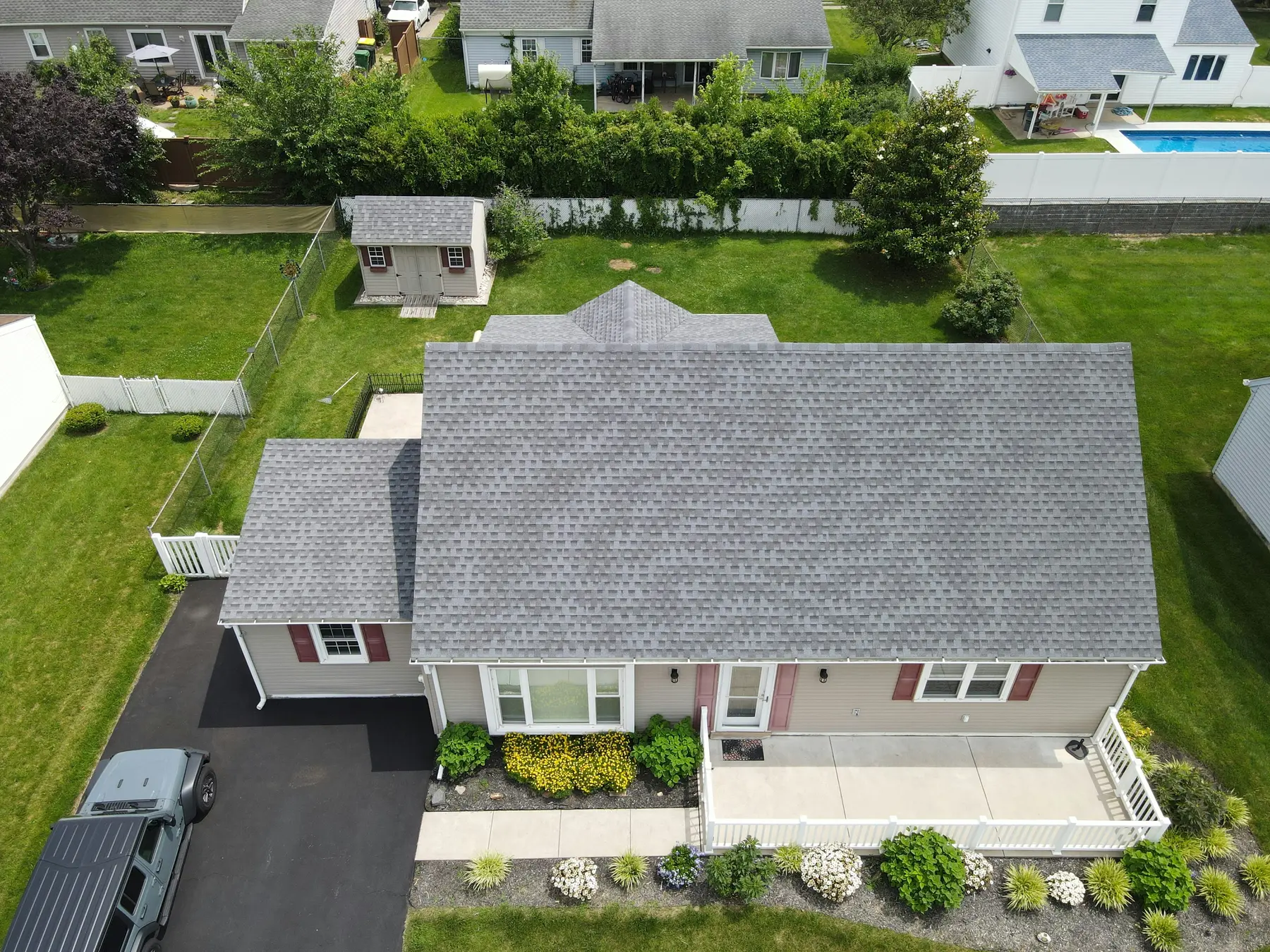
Property evidence
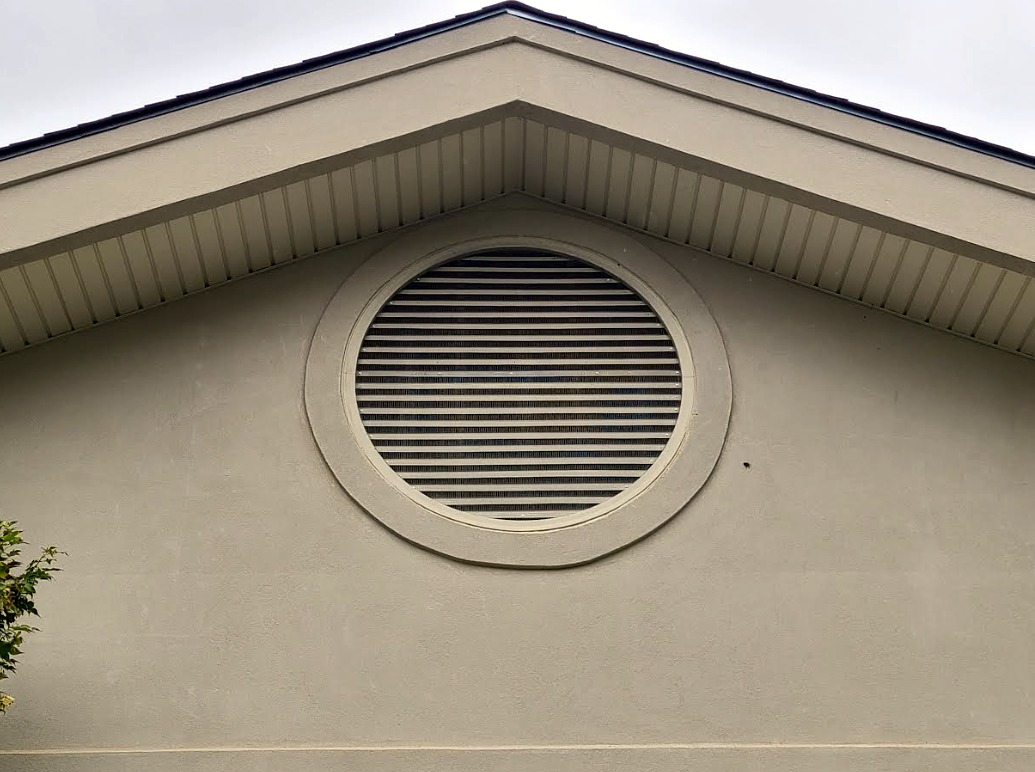
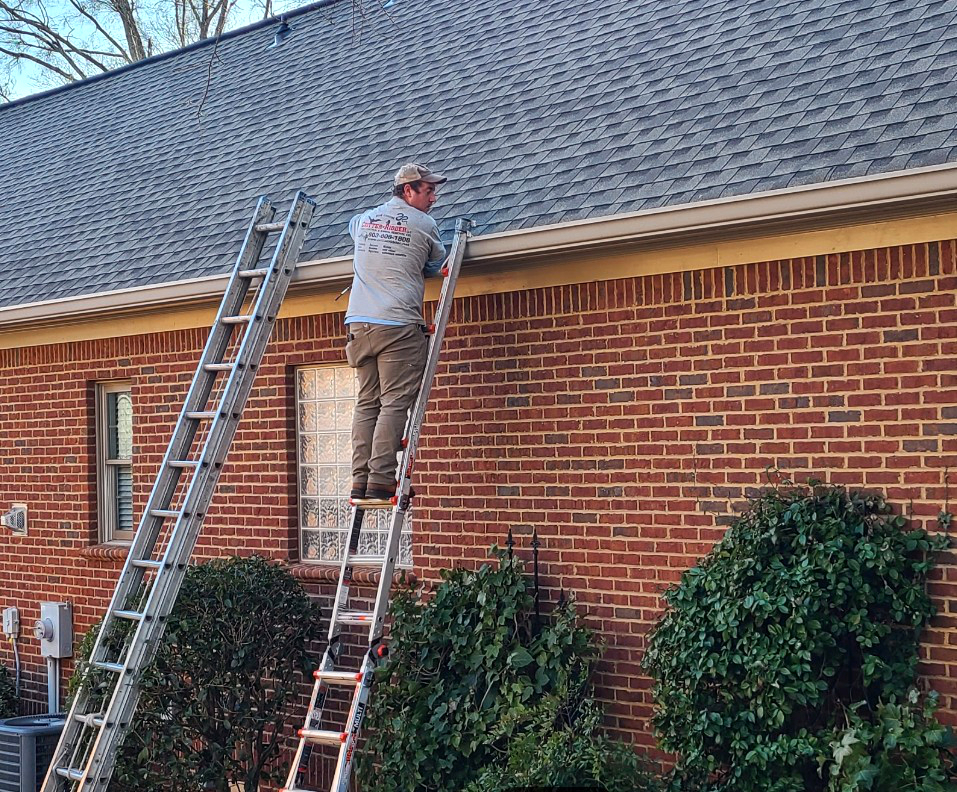
Critter-Ridder documents relevant property conditions and completed corrections so recommendations are easier to understand.

Local service area
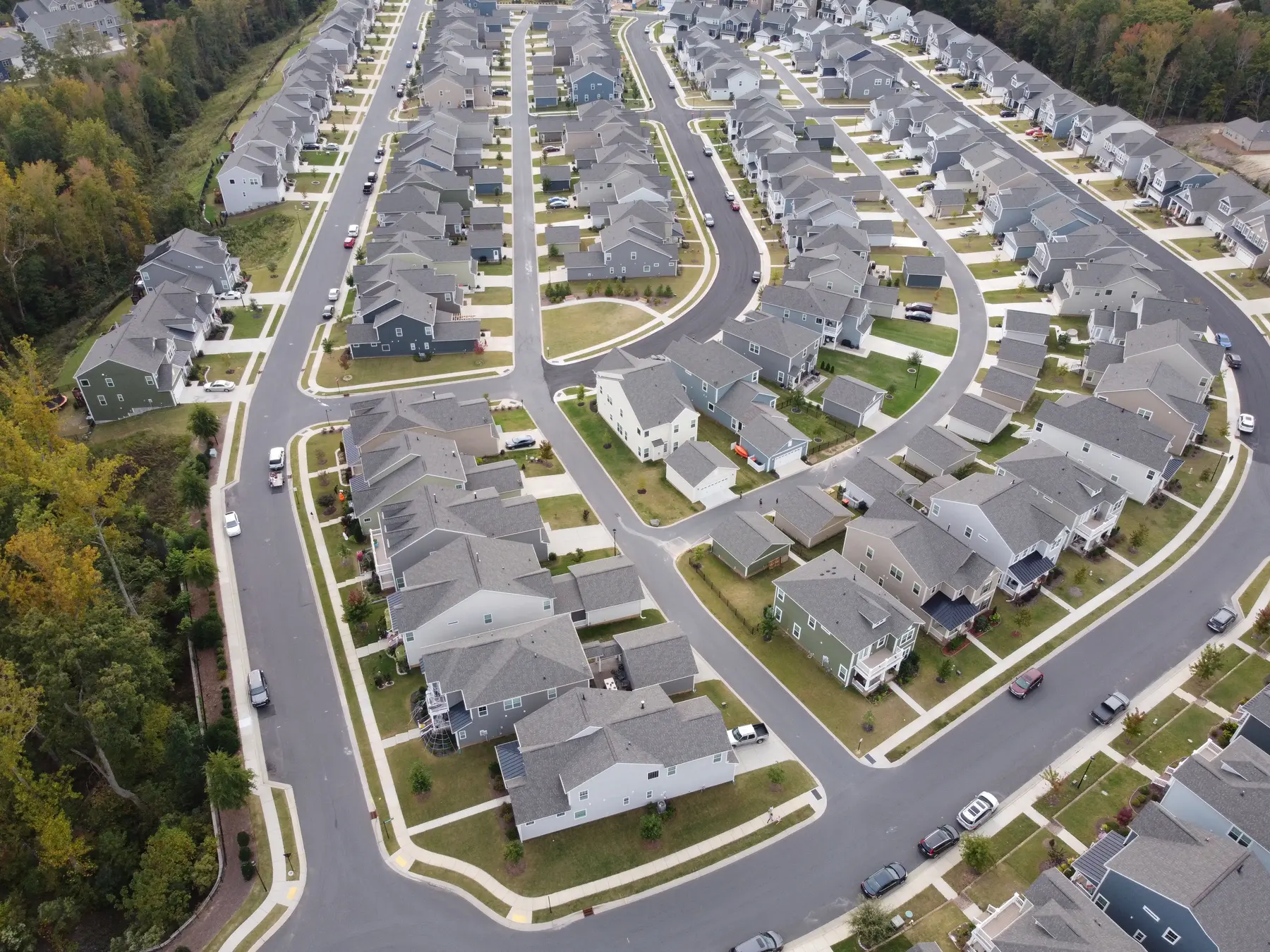
Wildlife Removal in Lexington and the Greater Midlands.
Check Service AvailabilityGoogle Reviews
Homeowners consistently value clear explanations, careful inspections, photo documentation, and a team that treats the property with respect.
Read Google ReviewsCustomers highlight inspections that explain what was found, why it matters, and what should happen next.
Customer feedbackFeedback regularly recognizes a respectful team, clear communication, and care around the home.
Customer feedbackHomeowners appreciate a complete approach that connects the animal problem to entry points and prevention.
Customer feedbackLocal reputationMore than two decades serving Lexington and the Midlands with a property-first approach.
Common questions
Start with what you are hearing, seeing, or smelling. An inspection connects those signs to the actual property conditions.
Explore the South Carolina Wildlife Guide →The inspection begins with what you have seen, heard, or smelled and where the activity is occurring. Critter-Ridder then evaluates accessible interior and exterior areas for wildlife evidence, likely travel routes, active entry points, secondary vulnerabilities, visible damage, and contamination. Because an attic problem can begin at a roof vent, soffit, chimney, utility opening, or another part of the structure, the goal is to understand the whole condition before recommending removal, exclusion, cleanup, or repair.
No. Removal or control addresses the animal that is currently inside or using the property; exclusion addresses the opening or structural weakness that allowed the activity to begin. If the animal is removed but the access remains open, the same animal—or another one—may return. A complete plan may also include cleanup, repair, or protection after the active wildlife issue has been resolved.
A phone conversation can help narrow the possibilities and determine the appropriate next step, especially if you can describe the location, sound, time of day, odor, droppings, or visible animal. It usually cannot confirm the full scope because different species can create similar signs and may use more than one access point. Season, dependent young, roof and foundation conditions, and safe access can all change the recommended approach, which is why an on-site inspection is normally the dependable next step.
No. Some properties have limited, accessible debris while others have widespread droppings, nesting material, odor, or affected insulation. Cleanup recommendations depend on the amount and type of material, whether the area can be safely reached, and whether the active wildlife and entry conditions have already been resolved. The proposal should explain what can be removed or treated, what is outside the service scope, and whether another trade is needed.
Not until the opening and the activity have been evaluated. Closing an active entry too early can trap an animal inside, separate dependent young from an adult, or force wildlife into a living area or another part of the structure. The safer sequence is to identify the likely species and conditions, address the active animal appropriately, and then complete the approved exclusion work at the correct time.
Wildlife generally looks for shelter, warmth, nesting space, food, water, or protection from weather and predators. A small construction gap, damaged vent, open chimney, loose soffit, crawlspace opening, or utility penetration can provide access even when the home appears well maintained. Mature trees, roof intersections, additions, decks, ponds, and wooded property edges can also influence how animals move around a structure.
Not necessarily. Activity can become quiet when an animal changes its schedule, moves to another part of the structure, leaves temporarily to feed, or changes behavior with the weather or season. Even if the animal is no longer present, an entry point, nest, droppings, odor, or damage may remain. A period of silence is useful information, but it is not the same as confirming that the condition has been resolved.
Lexington is the primary market, with service available across approved areas of the Greater Midlands including Columbia, Irmo, Gilbert, Blythewood, Chapin, West Columbia, Lake Murray Shores, and Lake Murray of Richland. Coverage can depend on the exact address, service requested, property access, and scheduling. Share the property location and a brief description of the concern so current availability can be confirmed before an inspection is scheduled.
Ready for a clear next step?
Tell us what you are seeing, hearing, or smelling. We’ll help you determine the right next step.