Droppings and debris
Remove accessible material using appropriate containment and work practices.
Wildlife cleanup
Wildlife can leave behind droppings, food, nesting material, debris, and odor. Cleanup scope depends on accessibility, material condition, and what the inspection actually finds.
What the inspection considers
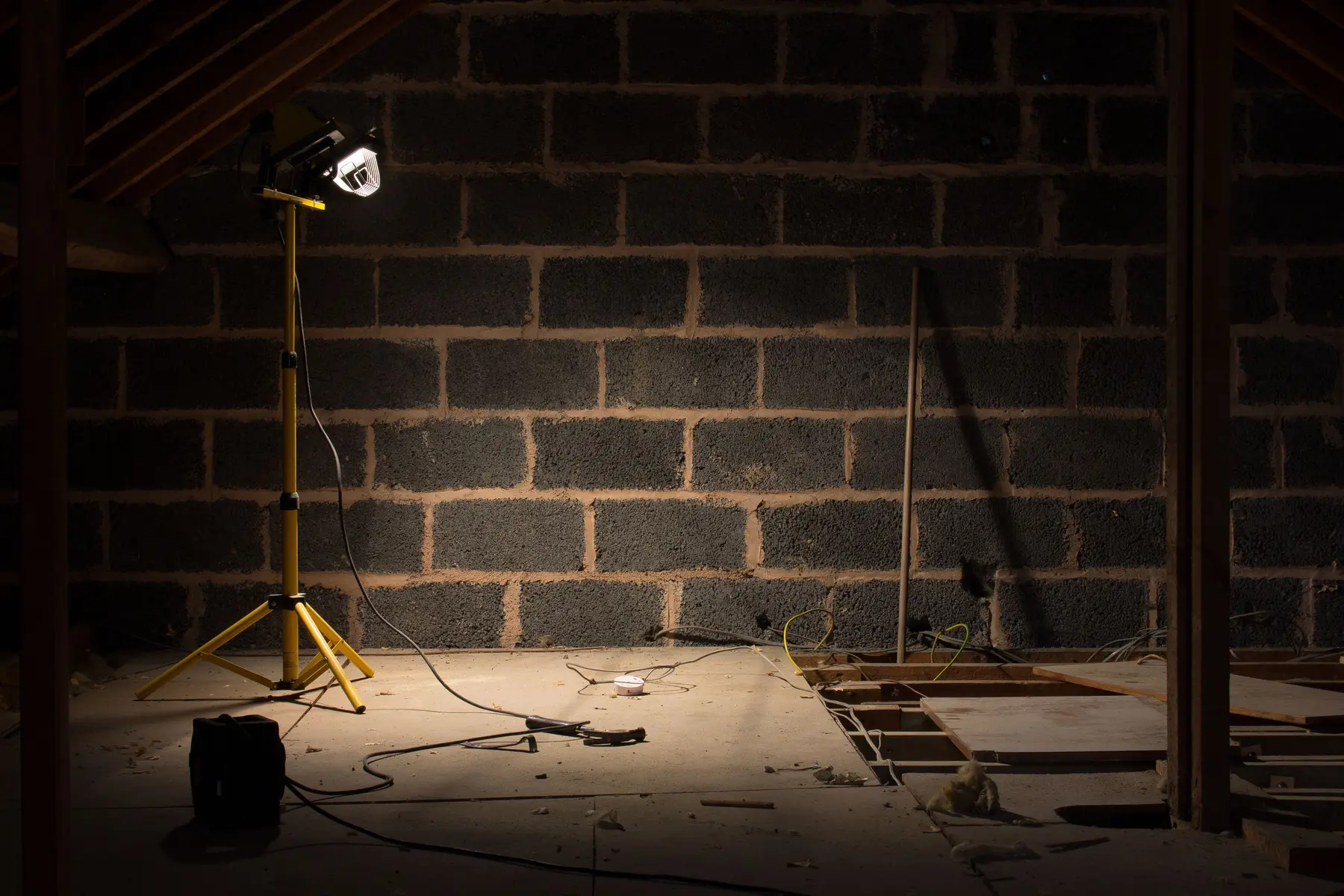
Not every attic or crawlspace needs the same treatment. The plan should identify what is affected, what is accessible, and what may require another trade.
Remove accessible material using appropriate containment and work practices.
Address accessible remnants that can contribute to odor or continued activity.
Evaluate visible impact without promising work outside the verified service scope.
Use approved cleaning or enzyme options only where the product and condition support them.
The Critter-Ridder approach
The exact method depends on the species, property, season, accessible areas, and approved scope.
Identify affected accessible areas, material condition, and wildlife status.
Take out the approved debris, nesting material, or affected material.
Apply approved treatment where appropriate and document the completed scope.
Common questions
These answers provide general direction. The correct plan still depends on the property and current conditions.
Explore the complete wildlife guide →Not automatically. A small, localized condition may call for targeted removal, while widespread droppings, nesting, compression, odor, moisture, or damage may justify a broader recommendation. The scope should identify what insulation is visibly affected and accessible, what will be removed, whether replacement is included, and whether HVAC, electrical, mold, or other specialist work is outside the wildlife-cleanup service.
Only when the area can be accessed safely and the necessary opening and repair work are understood. Wall voids, duct chases, tight eaves, and enclosed ceiling spaces may not be reachable through normal attic or crawlspace access. In those cases, the proposal should explain the limitation and whether a controlled opening or another qualified provider is needed.
Active wildlife and the entry condition generally need to be resolved before final cleanup so the area is not immediately contaminated again. The exact sequence can vary when debris blocks access, an animal must be removed first, or temporary control steps are needed. The plan should connect removal, exclusion, cleanup, and any insulation work in a logical order for that property.
Droppings, urine, nesting material, parasites, dust, and disturbed insulation can create exposure concerns, especially in confined or poorly ventilated spaces. The level of concern depends on the animal, amount and age of material, moisture, disturbance, and occupant access. Avoid sweeping, vacuuming, or entering a heavily affected area without appropriate protective practices and a clear cleanup plan.
Cleanup can remove approved accessible debris and affected materials and may include an appropriate treatment, but porous surfaces can retain staining or odor. Some discoloration is cosmetic, while other conditions may point to moisture or material damage requiring separate repair. The completed scope should document what was removed or treated and identify any remaining limitation.
The next step is inspection
Tell us what you are noticing and where it is happening. Critter-Ridder will help determine the appropriate next step.