
Gilbert Hollow
The early settlement name tied to Jonathan Gilbert and the community’s long local history.
Rural Midlands coverage
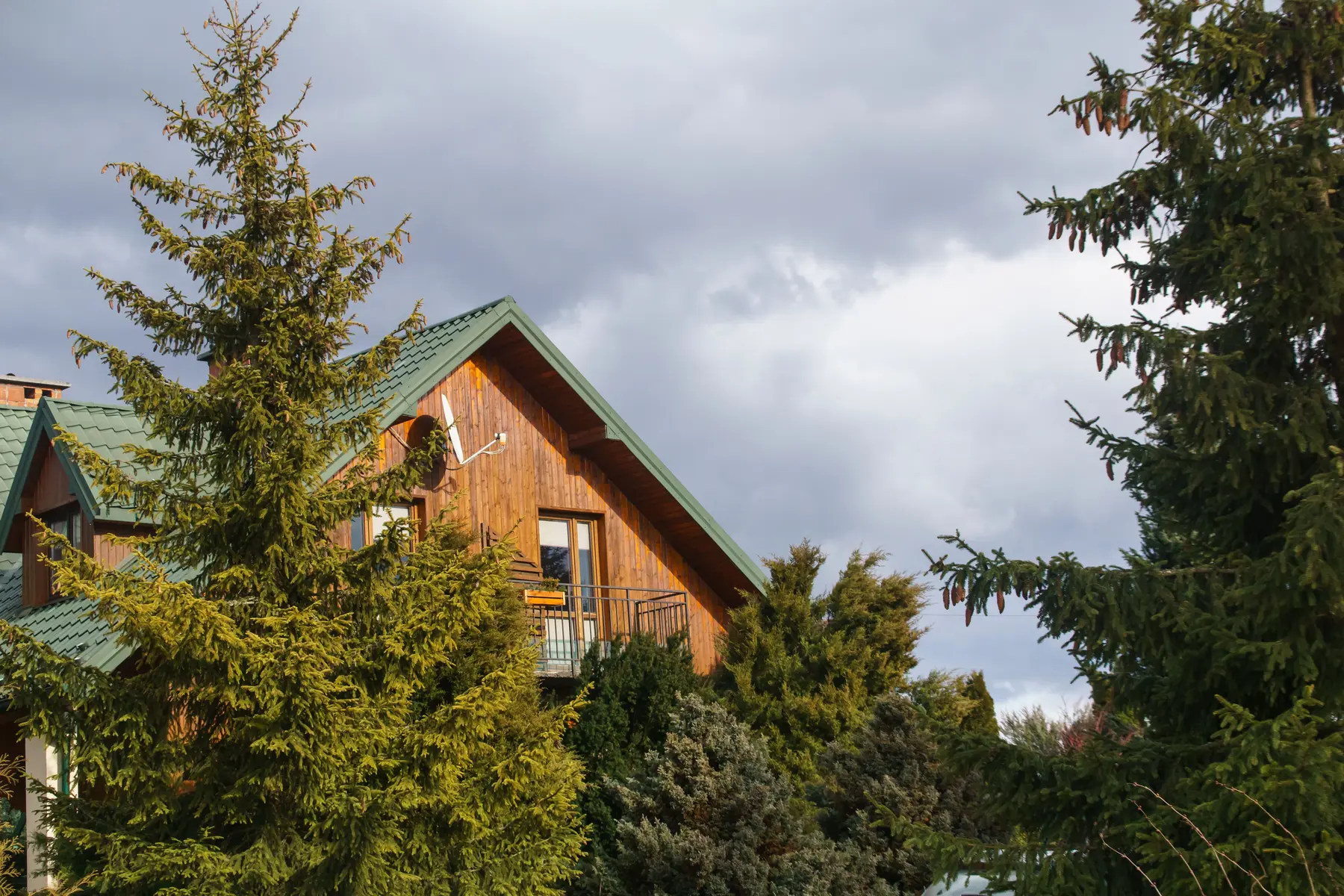
Gilbert’s rural setting, larger lots, fields, timber edges, barns, workshops, and older homes create a different inspection picture from denser suburban communities. Detached structures and low foundation access can matter as much as the roofline.
Serving Gilbert by confirmed availability · Lexington County
A little local history
Gilbert’s name grew from Gilbert Hollow, associated with early settler Jonathan Gilbert. The nearby Juniper Springs crossroads connected historic travel routes between Augusta, Charleston, Ninety Six, and Columbia.
The early settlement name tied to Jonathan Gilbert and the community’s long local history.
A historic meeting of old travel routes and a stopping place for people moving through the Midlands.
Fields, orchards, timber, and working properties remain central to Gilbert’s sense of place.
Visual property clues
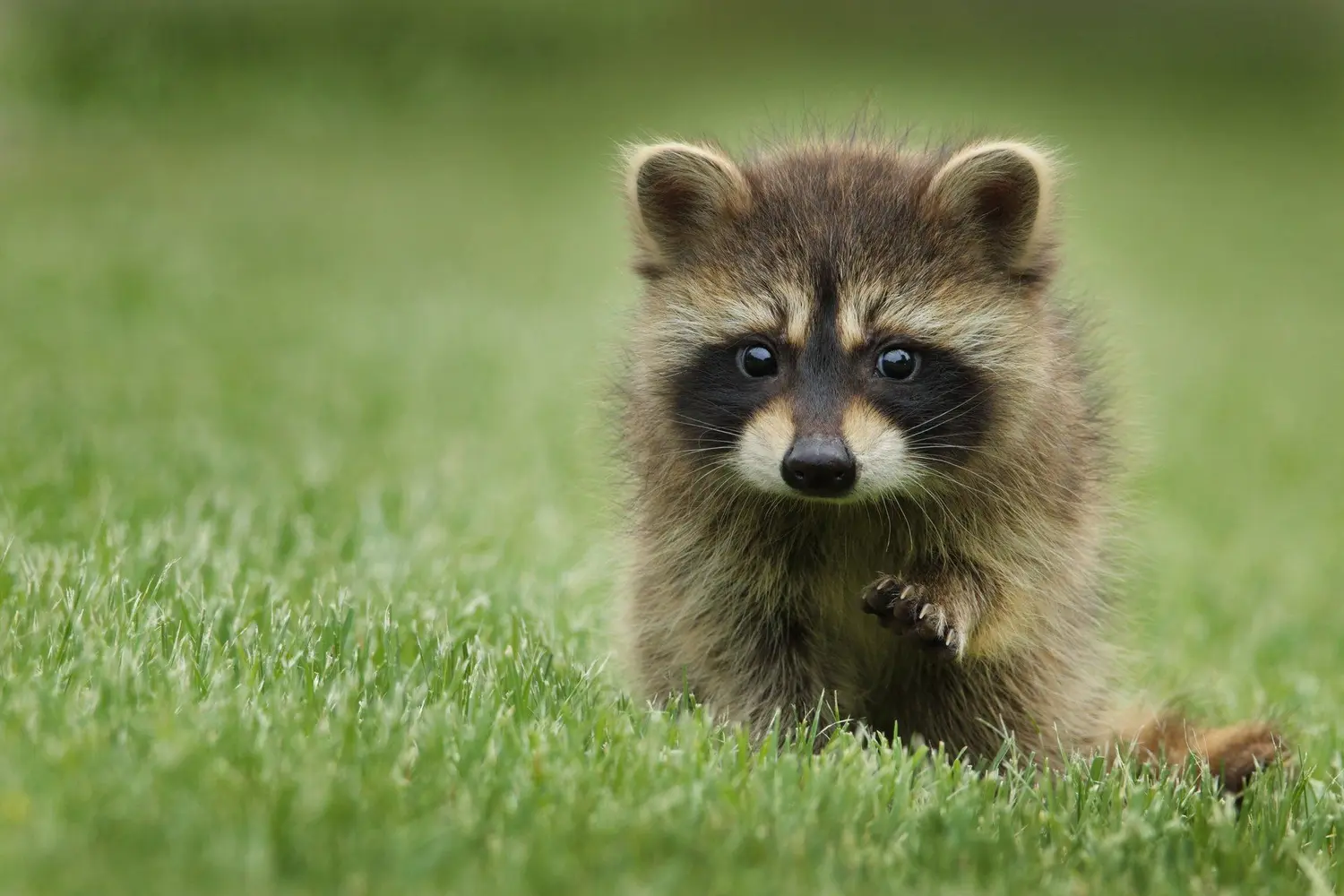
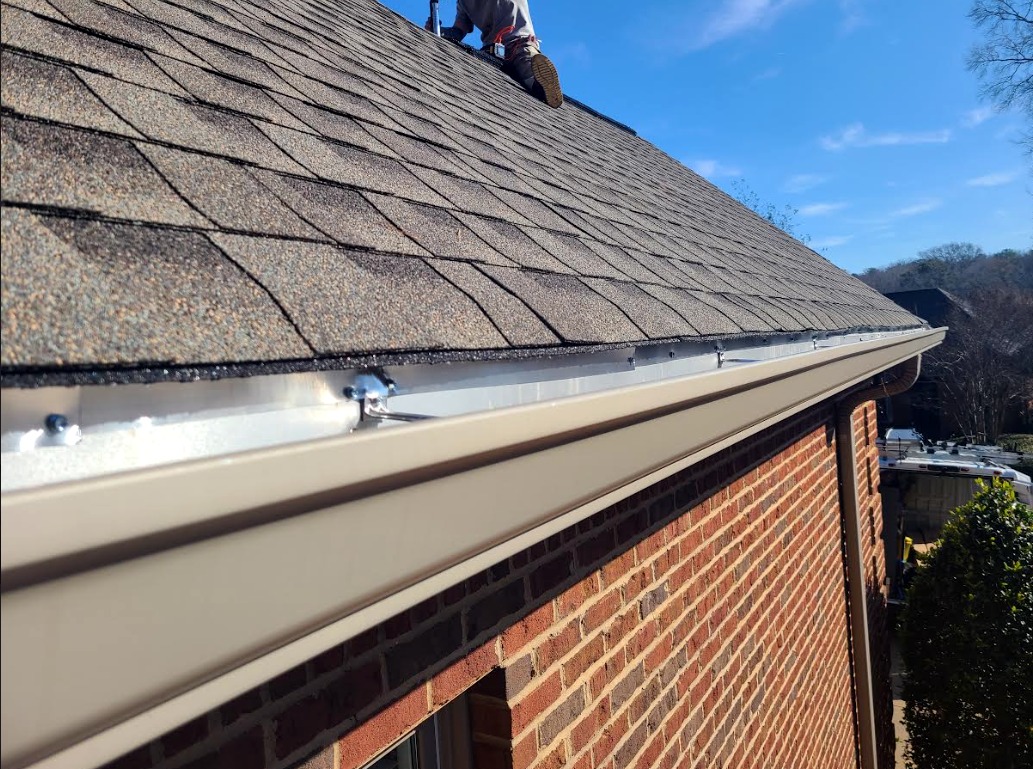
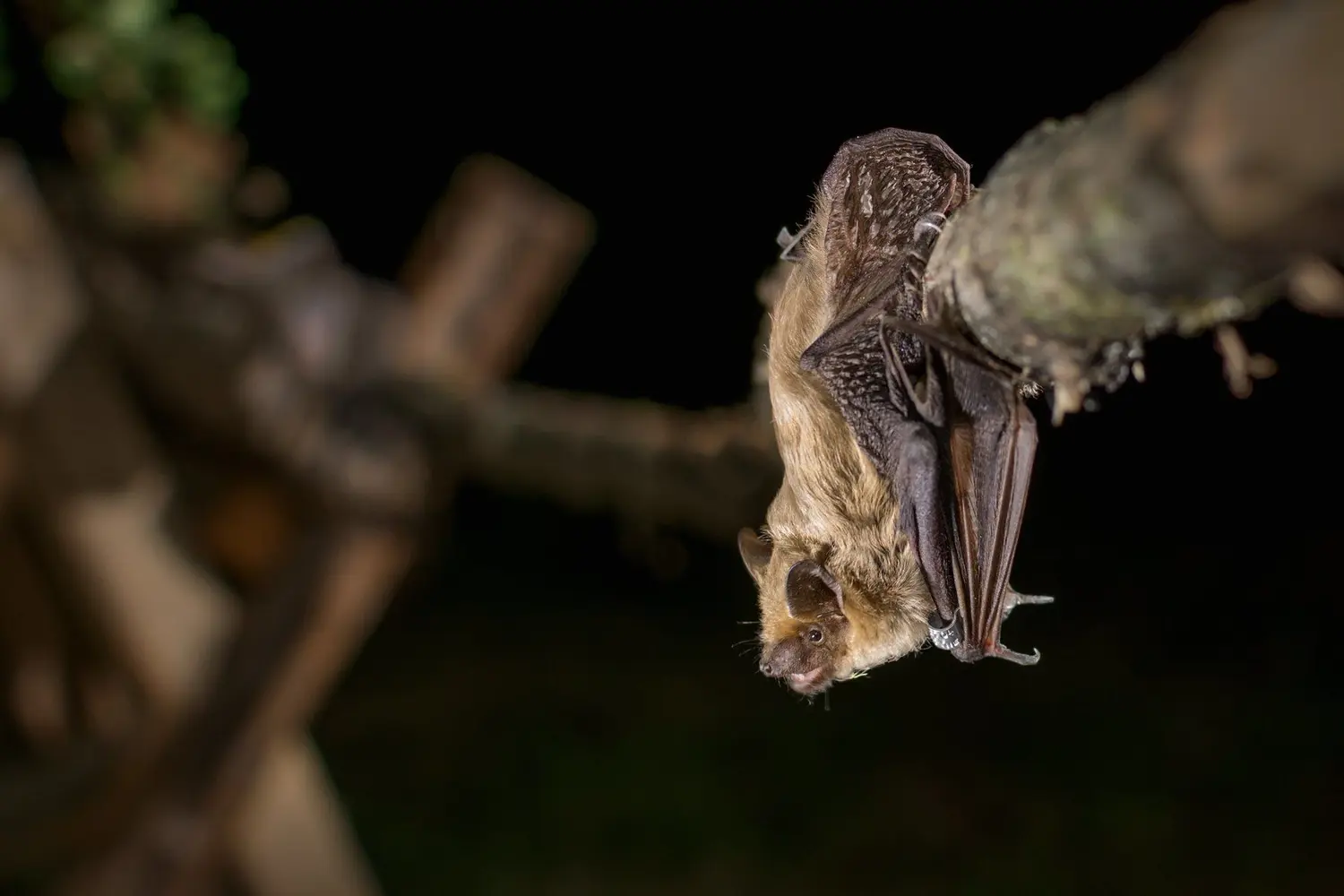
These field and wildlife images illustrate the property conditions Critter-Ridder evaluates during professional wildlife service.
Local property considerations
These are practical inspection priorities, not a claim that every property has the same problem.
Barns, workshops, sheds, and garages may provide shelter or establish activity near the main home.
Crawlspace doors, foundation vents, utility entries, and porch transitions should be included in the inspection.
Properties beside timber or open land may experience changing activity as food, cover, and seasons shift.
Service area orientation
Call with the property address or ZIP code to confirm current service availability and scheduling.
Check AvailabilityLocal service FAQs
General guidance helps you prepare. The correct plan still depends on the animal, season, access, and property conditions.
Explore the wildlife guide →Yes. Critter-Ridder serves Gilbert as part of its approved Greater Midlands coverage. Because travel, property access, service type, and scheduling can affect availability, provide the complete property address and a short description of what you are seeing, hearing, or smelling. The team can then confirm coverage and determine the appropriate inspection rather than asking you to diagnose the animal yourself.
Sounds, odors, tracks, droppings, visible damage, and the time of day can provide useful clues, but several animals can create similar signs. A phone conversation may narrow the possibilities; it usually cannot confirm the species, the number of animals, the active opening, or whether dependent young are present. An on-site inspection connects the clues to the actual building conditions so the recommendation is based on evidence rather than a guess.
Removal or control and exclusion are different parts of the work. Removal addresses the animal that is currently active; exclusion corrects approved openings and vulnerable areas that could allow wildlife to return. When accessible entry conditions are found, Critter-Ridder can explain a separate exclusion or repair scope, including which areas are included, what materials are proposed, and what limitations apply.
Homes and businesses in Gilbert can experience activity involving squirrels, rats, mice, bats, raccoons, opossums, birds, and other South Carolina wildlife. The specific pattern varies with tree cover, water, food sources, development, building age, roof and foundation design, and the season. The animal matters, but the more important service question is how it is using the property and what condition is allowing the activity to continue.
Avoid handling wildlife, disturbing a nest, entering a contaminated confined space, or sealing a suspected opening before the conditions are understood. Note where and when the activity occurs, keep pets and children away from the area, and save any useful photos or video taken from a safe distance. If a person or pet may have had direct contact with a bat or another potentially rabid animal, seek appropriate public-health or veterinary guidance promptly.
A clear next step
Tell Critter-Ridder where the activity is happening and what you have noticed. The inspection connects those clues to the property.