
Evening activity
Bats entering or exiting near roof edges, vents, gables, fascia, or chimney transitions.
Bat inspection & exclusion
Bat work is timing-sensitive. The correct plan depends on activity, colony conditions, entry points, season, and current wildlife guidance—not a universal calendar or a repellent shortcut.
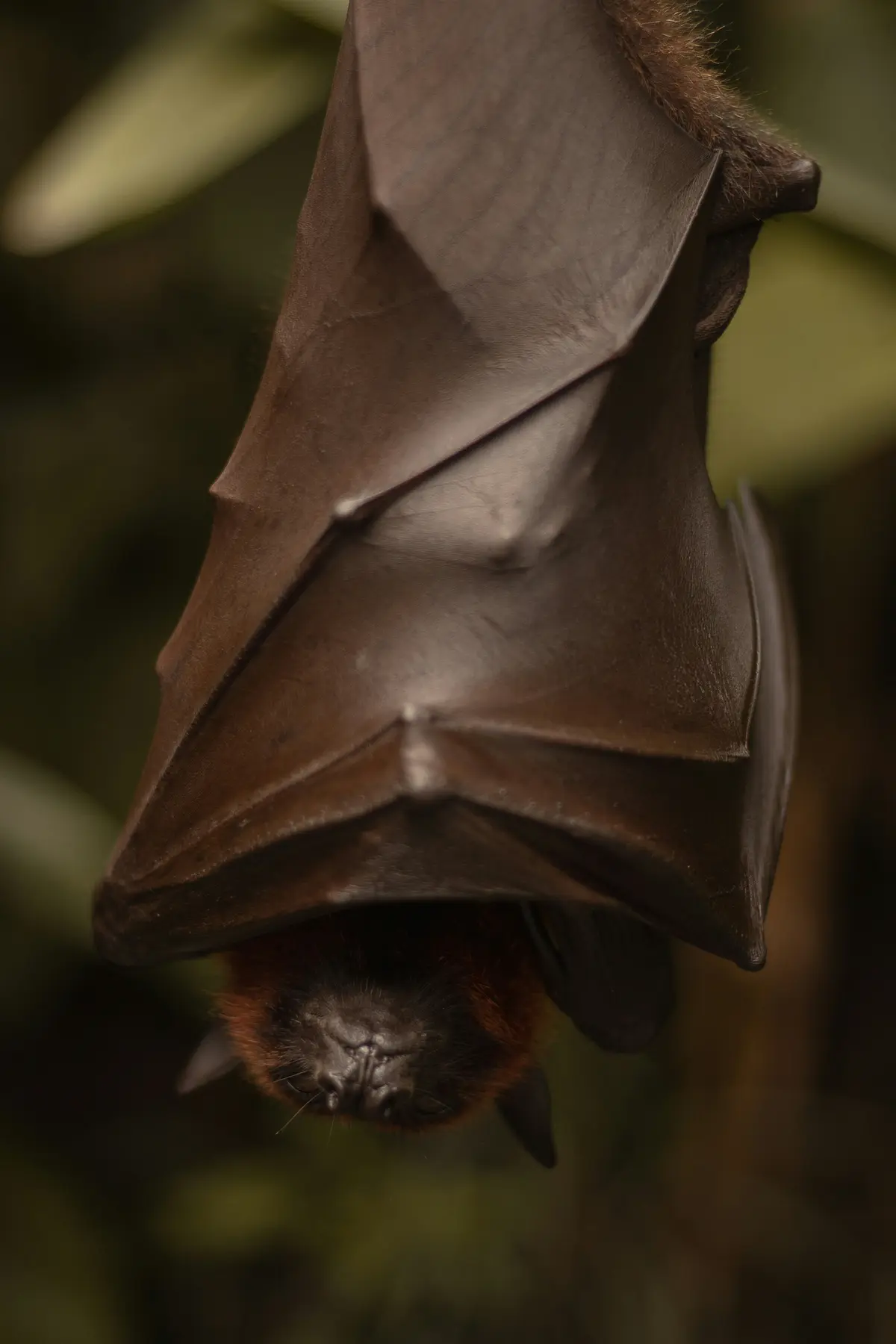
What the inspection considers
Seeing a bat, hearing activity, or finding staining near a roofline can be a clue. Bat work can be seasonally restricted when dependent young may be present. Critter-Ridder evaluates activity and entry points, closes secondary openings when appropriate, and schedules final exclusion based on site conditions and applicable requirements.
Bats entering or exiting near roof edges, vents, gables, fascia, or chimney transitions.
Light scratching or movement in upper walls, attics, or ceiling spaces around dusk or dawn.
Droppings, rub marks, or staining near a suspected opening require property-specific evaluation.
Contain the area if possible, avoid handling the bat, and obtain appropriate exposure guidance.
The Critter-Ridder approach
The exact method depends on the species, property, season, accessible areas, and approved scope.
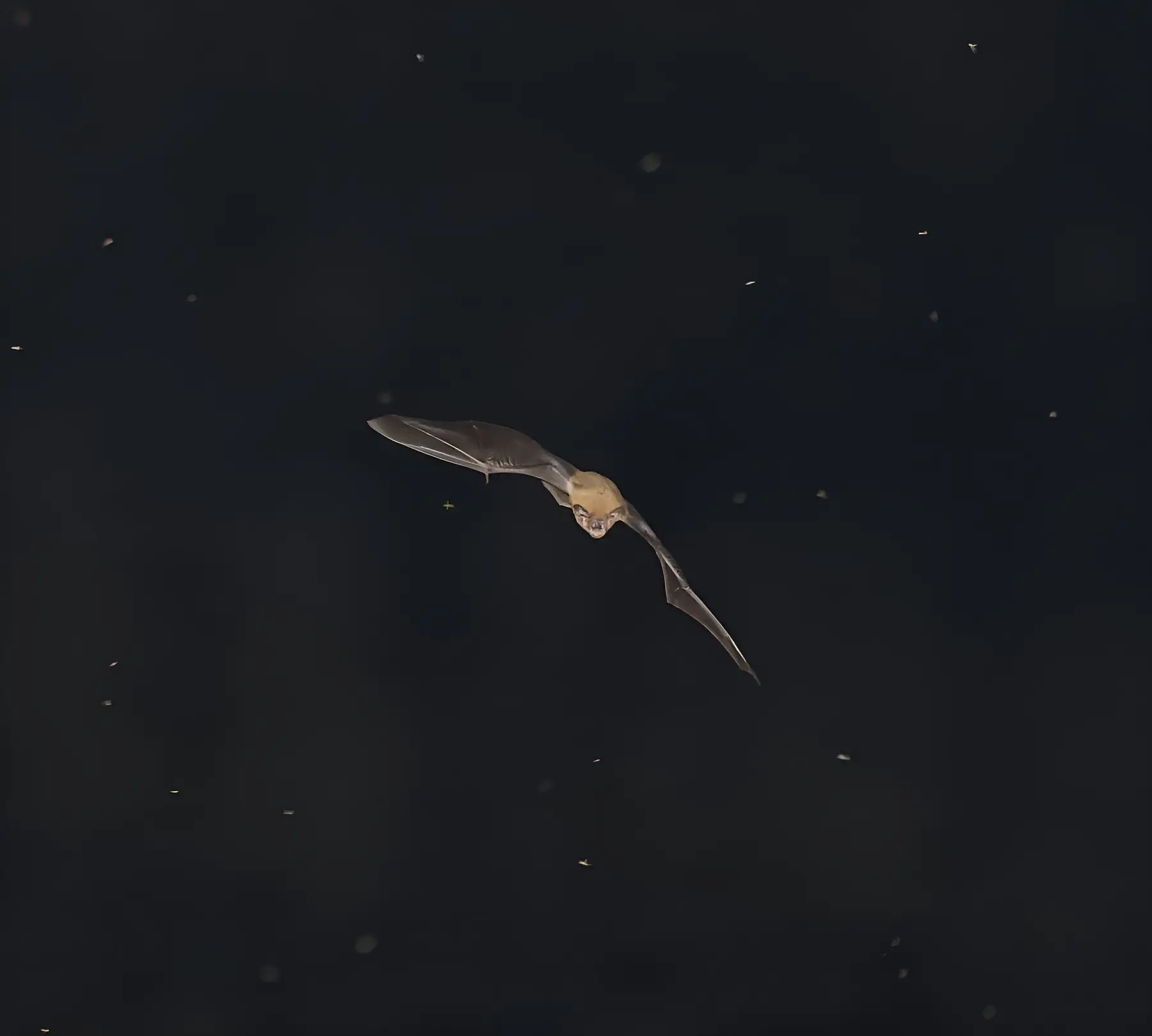
Identify active openings, secondary gaps, interior conditions, and timing considerations.
Use an appropriate one-way strategy only when conditions and timing allow.
Correct approved secondary gaps and evaluate cleanup needs after activity has ended.
Bat activity is timing-sensitive. Current property conditions and official guidance determine when exclusion can be performed.
Common questions
These answers provide general direction. The correct plan still depends on the property and current conditions.
Explore the complete wildlife guide →No. Bat exclusion is timing-sensitive because flightless young may be present during maternity activity, and sealing adults out at the wrong time can leave young inside the structure. Weather, colony activity, species considerations, current official guidance, and the specific building all affect when one-way exclusion can be performed. The property should be evaluated before dates or methods are promised.
Bats generally do not create openings by chewing the way some rodents do. They usually take advantage of existing construction gaps around roof edges, fascia, flashing, vents, gables, siding transitions, or chimneys—sometimes openings that appear surprisingly small from the ground. Inspection therefore focuses on both the active route and nearby secondary gaps that could be used after the primary opening is addressed.
A device or odor may change behavior temporarily, but it does not confirm that every bat has left or correct the structural access that allowed the colony inside. Repellent-only shortcuts can also move activity to another part of the building. A dependable plan identifies active openings, uses an appropriate one-way process when timing allows, seals approved secondary gaps, and evaluates cleanup after activity has ended.
Do not handle the bat with bare hands. Keep people and pets away, close interior doors if it can be done safely, and preserve the ability for public-health or animal-control professionals to evaluate the situation. If anyone was asleep in the room, had possible direct contact, or cannot reliably rule out contact, seek prompt guidance from the appropriate health authority; releasing the bat immediately may remove the opportunity for testing.
Not always. A single bat can enter a living area accidentally, but it can also be the first visible sign of activity elsewhere in the structure. Repeated indoor appearances, evening exit activity, droppings, staining, or sounds near the roofline increase the need for a broader inspection. The evidence should determine whether the event is isolated or connected to an established access point.
The next step is inspection
Tell us what you are noticing and where it is happening. Critter-Ridder will help determine the appropriate next step.