Interior building birds
Evaluate entry access and a safe route or method for removing a bird from the structure.
Bird control service
Bird control is not one product. The available approach depends on the species, whether a nest is active, where the bird is located, and what the structure will support.
What the inspection considers
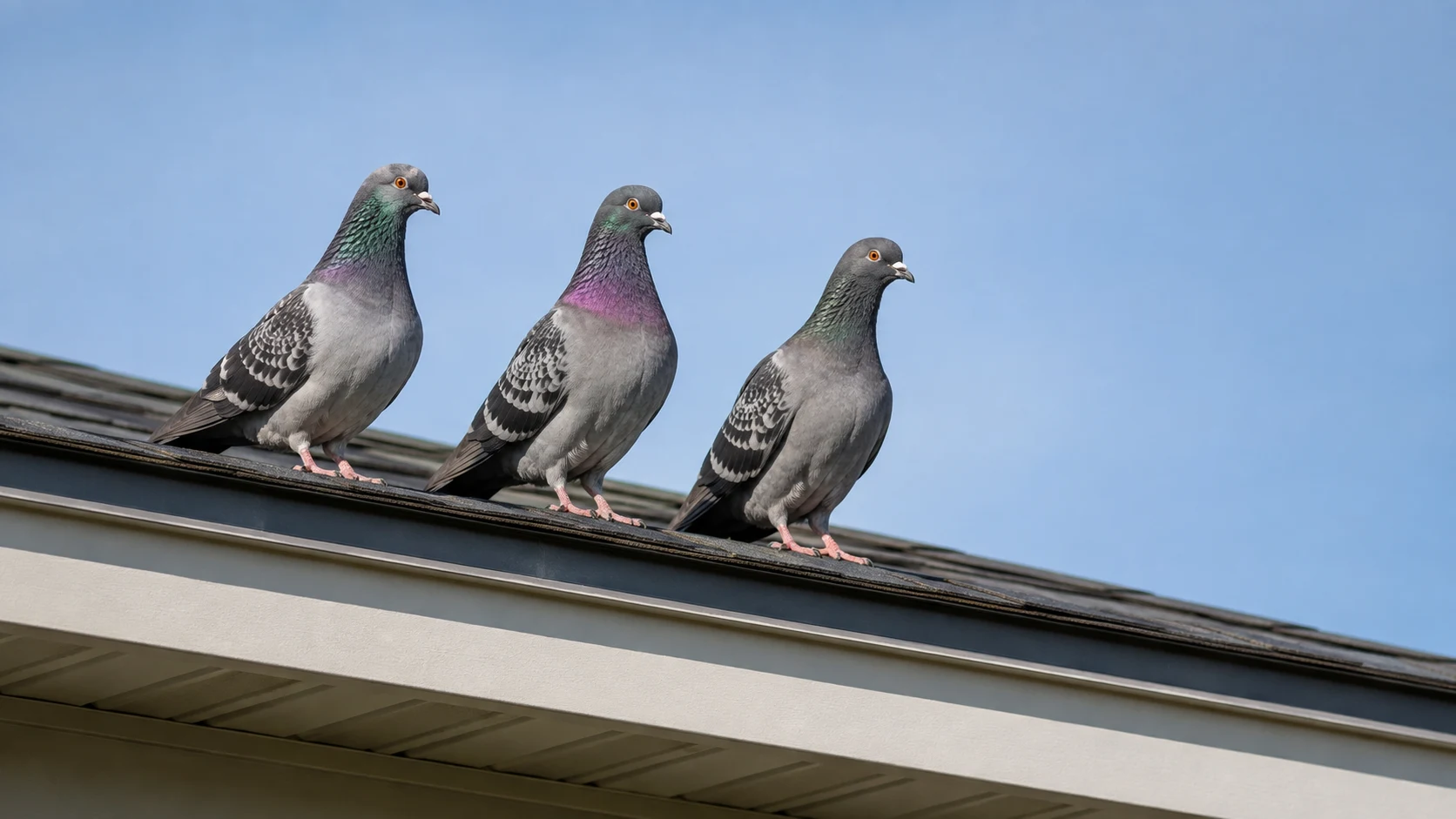
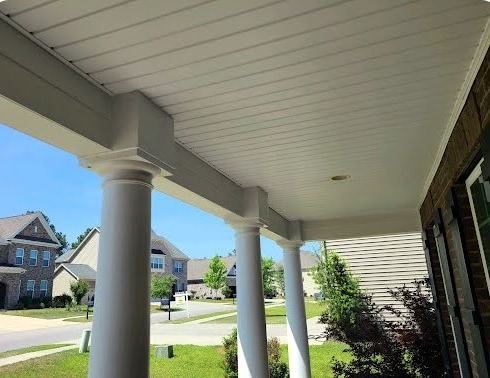
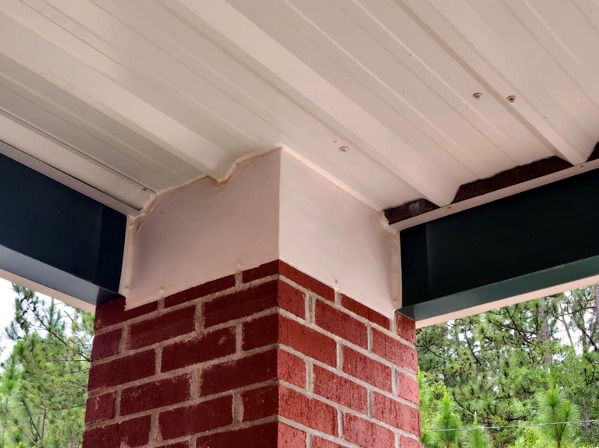
A bird inside a building, an active exterior nest, and a recurring roosting surface are three different conditions. Critter-Ridder provides property-specific solutions for column tops, window ledges, covered entries, and other recurring perch locations using suitable customized barriers, bird spikes, or deterrents.
Evaluate entry access and a safe route or method for removing a bird from the structure.
Assess ledges, columns, signage, beams, and other repeat-use surfaces.
Determine whether active wildlife or nesting is present before protection is installed.
Spikes, screening, cones, and exclusion require correct fit, placement, and verification.
The Critter-Ridder approach
The exact method depends on the species, property, season, accessible areas, and approved scope.
Confirm the species, location, activity, and potential nest status.
Choose the appropriate exclusion, screening, or roost-deterrent strategy.
Fit the approved system to the structure and verify intended coverage.
Bird-control recommendations depend on the species, nesting status, structure, and recurring perch or entry conditions.
Common questions
These answers provide general direction. The correct plan still depends on the property and current conditions.
Explore the complete wildlife guide →No. The species, location, nest activity, eggs or young, and applicable federal or state protections can limit what may be done and when. A nest that appears abandoned may still be active, and disturbing it without identification can create legal and animal-welfare problems. The condition should be evaluated before removal, exclusion, or deterrent installation is scheduled.
Properly selected and installed bird spikes are designed to make a ledge or landing surface uncomfortable or unavailable, not to capture or injure birds. They work only when the correct surface, spacing, coverage, and neighboring landing areas are considered. Poor placement can simply shift the birds a few feet away, which is why the whole roosting pattern matters.
Yes, when the chimney is confirmed clear and the selected cap or screening is appropriate for the flue and preserves required function and airflow. If birds, nesting material, eggs, or young are present, the timing and available steps may change. The chimney condition should be evaluated before an opening is closed.
A protected ledge, beam, sign, porch, vent, or roof intersection may remain attractive even after nesting material is gone. Birds can also return to familiar sites or rebuild nearby when the underlying landing and shelter conditions remain unchanged. Effective control may require cleaning accessible material, correcting entry, modifying the preferred surface, and considering adjacent roosting locations.
These devices sometimes produce a short-term response, but birds often become accustomed to a stationary or predictable deterrent. Results depend on the species, pressure, food and shelter availability, placement, and how consistently the system changes. Physical exclusion or correctly designed surface deterrence is generally more dependable when the structure and wildlife rules allow it.
The next step is inspection
Tell us what you are noticing and where it is happening. Critter-Ridder will help determine the appropriate next step.