Attics and rooflines
Bats, squirrels, rodents, raccoons, and birds may use different gaps and show different activity patterns.
South Carolina wildlife guide
Use the signs you notice as clues—not a remote diagnosis. Species, entry points, building conditions, season, and current wildlife rules determine the appropriate next step.
What the inspection considers
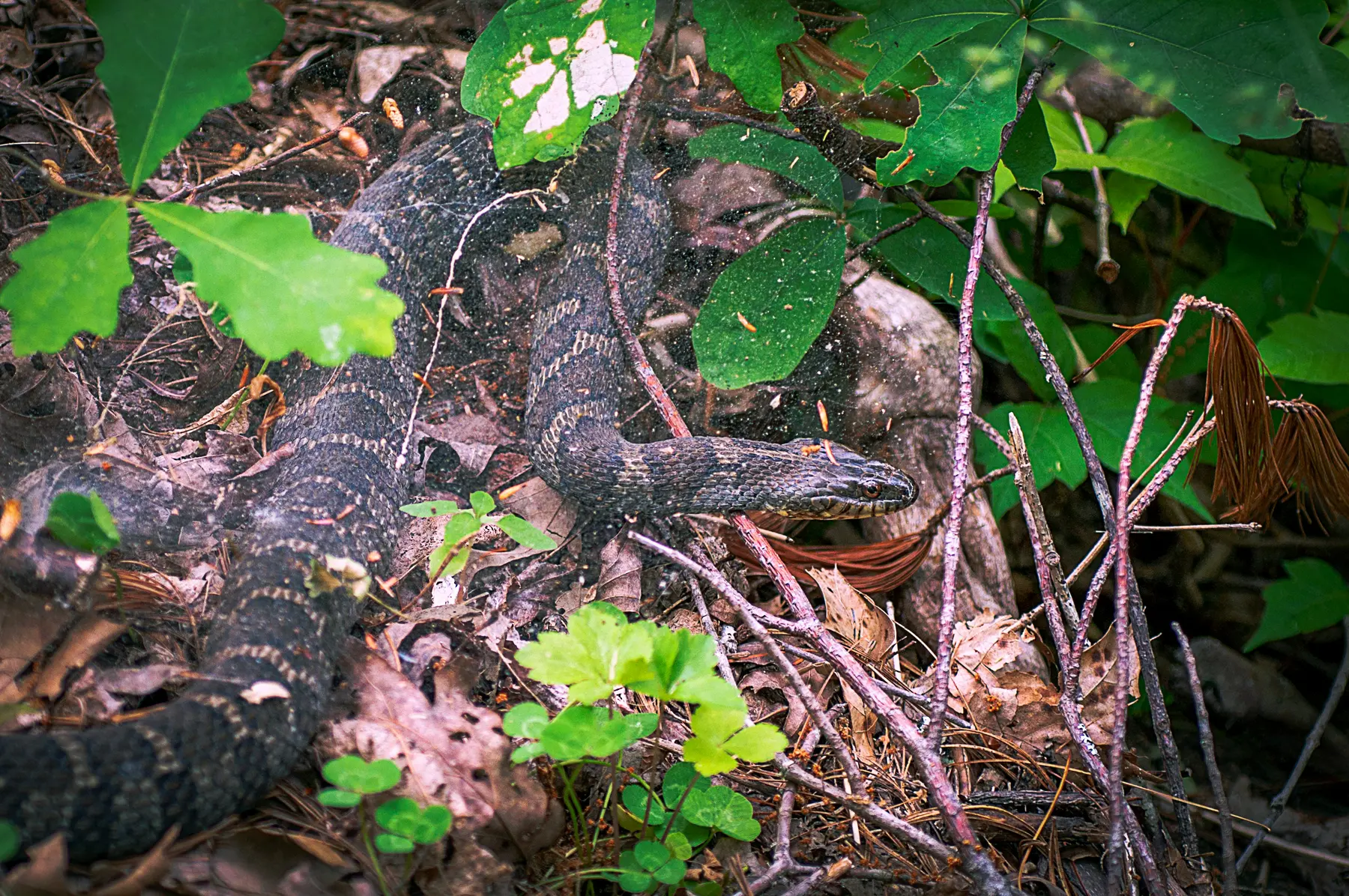
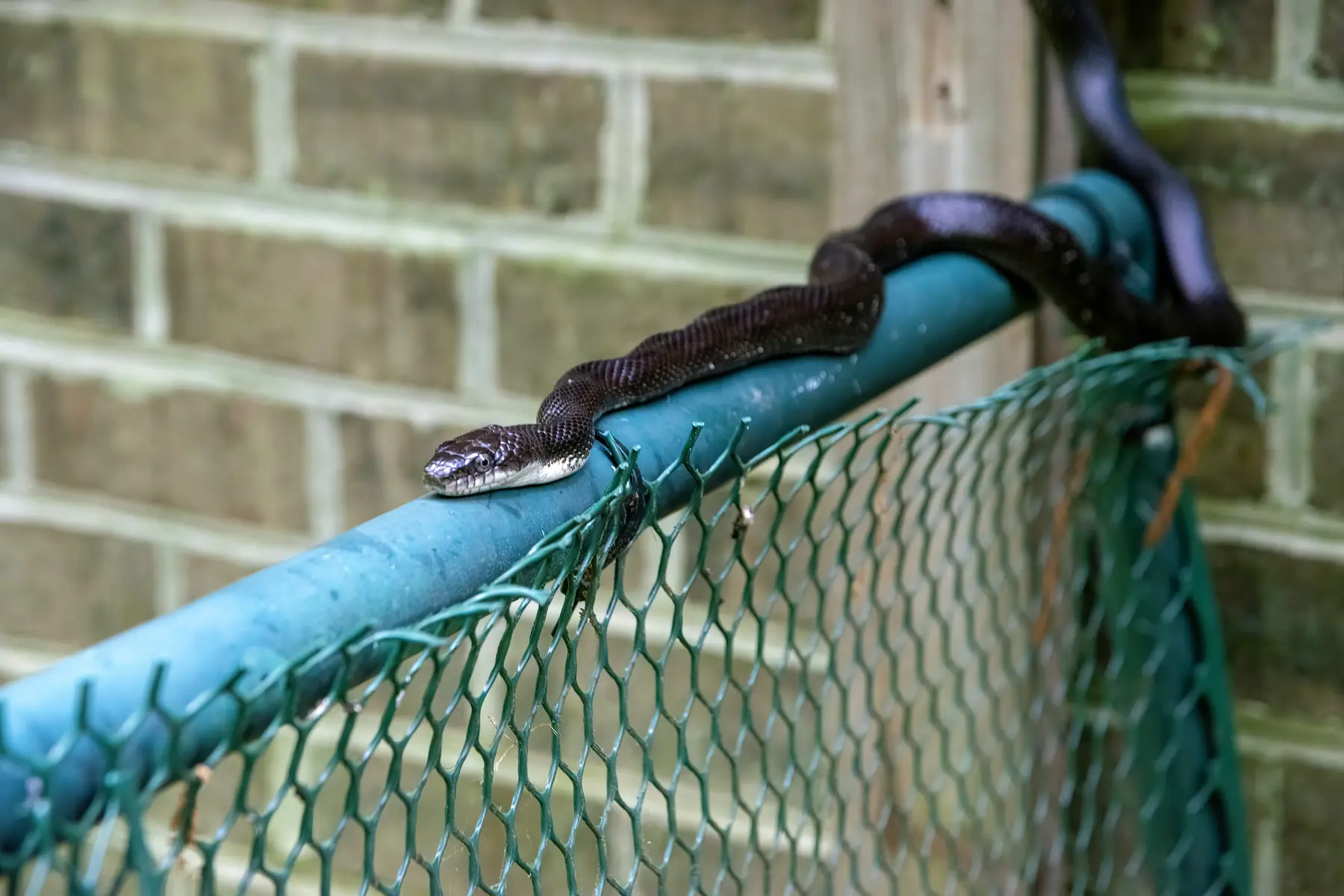
Attics, walls, chimneys, crawlspaces, vents, and exterior structures each point to different priorities. In many situations, the safest choice is to leave a snake alone and avoid handling it. Critter-Ridder can inspect likely habitat areas and discuss next steps based on the conditions found.
Bats, squirrels, rodents, raccoons, and birds may use different gaps and show different activity patterns.
Sound, timing, odor, droppings, and exterior evidence help narrow the likely route.
Active animals or nests should be evaluated before caps, screening, or exclusion.
Doors, vents, utility lines, sill gaps, and low access points require a separate inspection view.
The Critter-Ridder approach
The exact method depends on the species, property, season, accessible areas, and approved scope.
Note the location, time, sound, odor, visible animal, or exterior evidence.
Do not close an opening or handle wildlife before the condition is understood.
Share what you observed so the appropriate property inspection can be planned.
For species-specific concerns, describe where the animal was seen and any sounds, damage, droppings, or entry conditions you have noticed.
Common questions
These answers provide general direction. The correct plan still depends on the property and current conditions.
Explore the complete wildlife guide →Common structure-related concerns can involve bats, eastern gray squirrels and other tree squirrels, rats, mice, raccoons, Virginia opossums, and birds. The animal varies with the property, season, food and water, nearby tree cover, and the openings available around the roofline or foundation. Identification matters because the timing, safety concerns, control method, exclusion details, and possibility of dependent young are not the same for every species.
Bat exclusion depends on maternity activity, current colony and weather conditions, the structure, and up-to-date official guidance. When flightless young are present, excluding adult bats can leave the young behind and create a more serious animal-welfare and building problem. The active routes and secondary gaps should be evaluated first so one-way devices and permanent sealing occur in the correct sequence.
Not always. The bird species, nest location, eggs or young, current activity, and applicable protections determine what can legally and responsibly be done. An apparently inconvenient nest may need to remain undisturbed until it is inactive; deterrents or exclusion are normally planned for the correct time afterward. Identification and nest-status evaluation should come before removal.
Removal or control addresses the animal that is currently active in or around the structure. Exclusion corrects approved entry points and vulnerable areas so wildlife cannot continue using the same route. Because neither step automatically handles droppings, nesting material, odor, or damaged insulation, cleanup and repair may be separate parts of the recommended scope.
Not before confirming what is using the opening and whether animals or dependent young may still be inside. Premature closure can trap wildlife, force it deeper into the building, or cause an adult to damage another area while trying to reach its young. The correct sequence is identification and active-control planning first, followed by permanent exclusion when the condition is ready.
Avoid bare-hand contact and keep people and pets away from the bat. If it can be done safely, close interior doors to contain the area and obtain appropriate animal-control or public-health guidance before the bat is released. When a person was asleep, a child or impaired person was present, or direct contact cannot be ruled out, prompt exposure guidance is especially important because a bite or scratch may not be obvious.
Repellents may change activity temporarily, but they do not confirm that the structure is empty and do not repair the access point. Some products can create odor, exposure, fire, or label-use concerns when placed in occupied buildings or confined spaces. A dependable solution identifies the animal and route, resolves active wildlife appropriately, and then completes the approved exclusion work.
Cleanup is considered when accessible droppings, urine, nesting material, food, carcasses, odor, parasites, or visibly affected insulation remain after wildlife activity. The amount of material, surface type, moisture, ventilation, accessibility, and whether the animal can return all affect the scope. Active wildlife and entry conditions generally need to be resolved so the cleaned area is not immediately affected again.
Animals can enter at one part of the structure and travel through framing, soffits, attic edges, chases, or wall voids before you hear them. Sound also transfers through wood and drywall, so the apparent location inside may not be directly beside the exterior opening. Time of day, sound pattern, droppings, odor, and a systematic exterior inspection help narrow the likely route.
No. South Carolina has both venomous and nonvenomous snakes, and visual identification can be unreliable when the animal is moving, partly hidden, or viewed from a distance. Do not attempt to handle or corner a snake; keep people and pets away and obtain qualified identification or removal help when needed. Reducing rodents, debris, dense cover, and access around the structure can also make the property less attractive to snakes.
The property may still provide the same shelter, food, water, nesting space, and open route that attracted the first animal. Removing one individual does not prevent another from using an unsealed vent, soffit, chimney, crawlspace, or utility gap. Long-term prevention connects appropriate active control with exclusion, attractant reduction, and cleanup when those services are relevant.
Squirrels, rats, and mice can gnaw wiring, wood, vents, and other materials, while larger animals may damage soffits, screens, ducts, or insulation while entering or nesting. Visible damage should be documented, but wildlife technicians should not make electrical or structural safety conclusions outside their expertise. When wiring, roof, HVAC, chimney, or structural concerns are found, another qualified trade may need to evaluate and repair them.
The next step is inspection
Tell us what you are noticing and where it is happening. Critter-Ridder will help determine the appropriate next step.