Wildlife inside the structure
Attics, walls, chimneys, crawlspaces, vents, and other accessible building areas.
Complete wildlife services
A complete solution may involve more than one kind of work. Critter-Ridder separates active wildlife control, structural exclusion, cleanup, and repair so you understand exactly what your property needs.
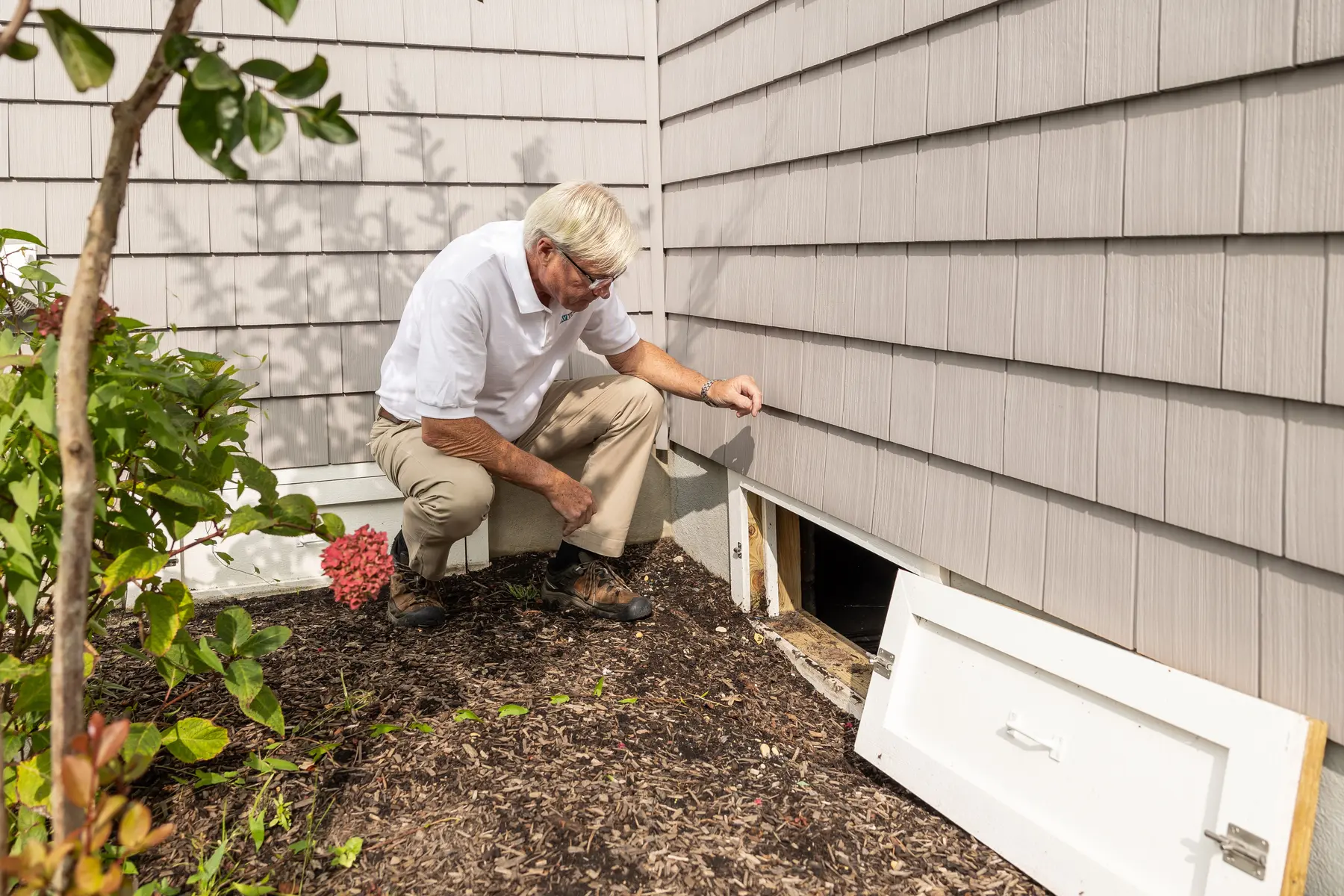
What the inspection considers
Each service is organized around a distinct homeowner decision, with clear links between active wildlife, entry conditions, and follow-through.
Attics, walls, chimneys, crawlspaces, vents, and other accessible building areas.
High and low gaps that may allow wildlife to return after the immediate activity ends.
Accessible nesting material, debris, remains, and affected areas that may require cleanup.
Exclusion, screening, snake entry-point correction, and repairs tailored to the structure.

See the property conditions, service logic, process, and practical limitations for this concern.
Explore this service →02See the property conditions, service logic, process, and practical limitations for this concern.
Explore this service →03See the property conditions, service logic, process, and practical limitations for this concern.
Explore this service →04See the property conditions, service logic, process, and practical limitations for this concern.
Explore this service →05See the property conditions, service logic, process, and practical limitations for this concern.
Explore this service →06See the property conditions, service logic, process, and practical limitations for this concern.
Explore this service →07See the property conditions, service logic, process, and practical limitations for this concern.
Explore this service →08See the property conditions, service logic, process, and practical limitations for this concern.
Explore this service →WSee how qualifying completed seal, mend, and repair work is covered when the full recommended scope is completed.
See warranty details →The Critter-Ridder approach
The exact method depends on the species, property, season, accessible areas, and approved scope.
Addresses the active animal using a situation-specific, lawful approach.
Corrects approved access areas and structural vulnerabilities that can allow re-entry.
Addresses accessible debris, affected materials, and odor conditions where appropriate.
Common questions
These answers provide general direction. The correct plan still depends on the property and current conditions.
Explore the complete wildlife guide →Start with an inspection request rather than trying to select a technical service yourself. A sound in the attic, an odor in a wall, or an animal near the chimney may involve active wildlife, one or more entry points, damage, and cleanup needs at the same time. The inspection separates those layers so you can see which work is necessary now, which work is preventive, and which items are optional or outside the current scope.
Critter-Ridder can evaluate appropriate residential and commercial wildlife conditions, but the property type matters. Commercial buildings, multifamily properties, occupied work areas, roof access, tenant coordination, and operating hours can change how an inspection or service must be planned. Share the property type and access details when scheduling so availability and the correct next step can be confirmed.
Not automatically. The recommended scope is built from the actual property conditions and may separate active animal control, exclusion, repair, cleanup, odor treatment, and optional protection into distinct items. That separation helps you understand what each item solves and prevents a simple wildlife call from becoming an unexplained one-size-fits-all package.
Recent sounds, fresh droppings, new damage, tracks, odor, or visible entry and exit activity can indicate current use, but activity is not always continuous. An animal may leave to feed, move between parts of the structure, or become quiet for several days. Inspection evidence and, when appropriate, follow-up observation provide a more reliable answer than noise alone.
It may solve the immediate encounter, but it does not necessarily resolve the property condition. Other animals may be present, dependent young may need consideration, and the entry route may remain available after removal. A durable solution connects active control with appropriate exclusion and then evaluates whether cleanup or repair is needed.
The next step is inspection
Tell us what you are noticing and where it is happening. Critter-Ridder will help determine the appropriate next step.