Accessible-area review
Evaluate evidence, likely species, active conditions, access points, and visible impact.
Process & expectations
You should understand what was found, what is recommended, and which part of the property each recommendation addresses. Critter-Ridder’s process separates inspection, active wildlife, exclusion, cleanup, and follow-through.
What the inspection considers
The proposal should reflect the property’s actual accessible conditions—not a predetermined package. Project length varies by species, active conditions, accessibility, repair scope, and follow-up. Before work begins, Critter-Ridder explains the expected schedule, needed access, and conditions that could change the timeline.
Evaluate evidence, likely species, active conditions, access points, and visible impact.
Connect recommendations to relevant property conditions whenever practical.
Separate active control, exclusion, repair, cleanup, and optional protection.
Document the approved work and explain applicable follow-up or warranty terms.
The Critter-Ridder approach
The exact method depends on the species, property, season, accessible areas, and approved scope.
Evaluate the accessible structure and wildlife evidence.
Explain findings, priorities, limitations, and recommended work.
Perform authorized work, document completion, and explain follow-through.
Warranty & follow-up
When the full recommended project scope is completed, Critter-Ridder backs its seal, mend, and repair work with a five-year transferable warranty.
Wildlife exclusion is most dependable when the connected entry points and recommended repairs are addressed as one complete project. For that reason, warranty coverage is tied to completing the full recommended scope—not only a partial repair.
The warranty applies to Critter-Ridder’s completed seal, mend, and repair work identified in the written project scope. It is not a blanket guarantee covering every wildlife-control service, every future animal event, or every structural condition at the property.
The warranty does not cover structural components or conditions outside Critter-Ridder’s control. Examples include shared walls, wood rot, exposed sewer pipes, shallow foundation footers, and the pre-existing condition or integrity of the structure.
The warranty is transferable. The written project documentation identifies the covered work and governs any applicable transfer requirements.
Before work begins, Critter-Ridder will explain the recommended scope, identify the areas included in the project, and provide the applicable written warranty information.
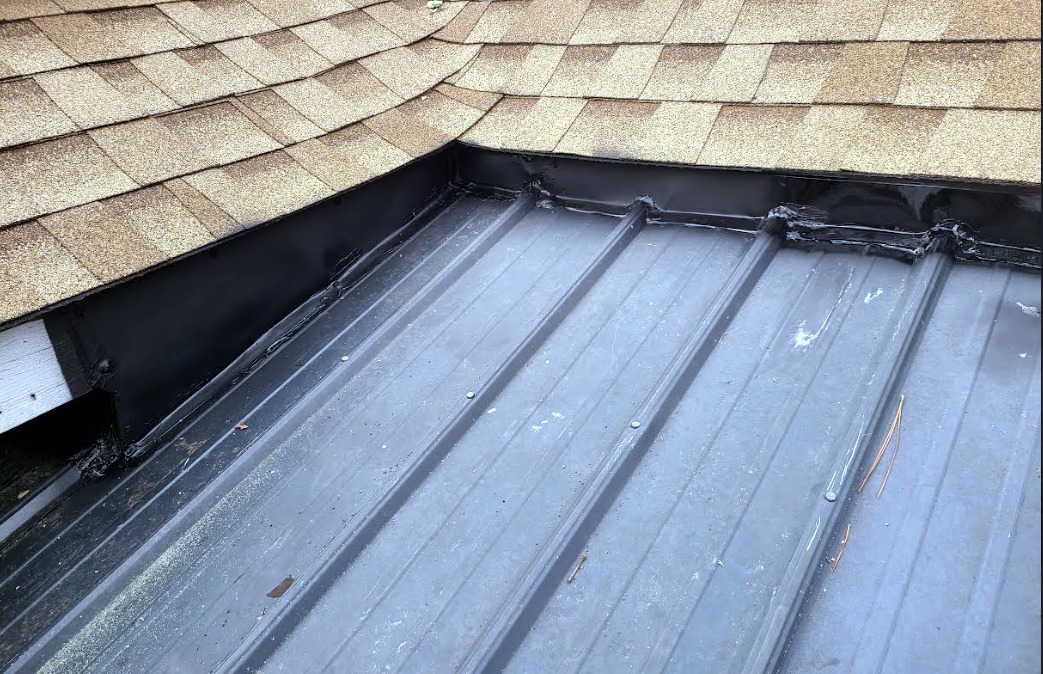
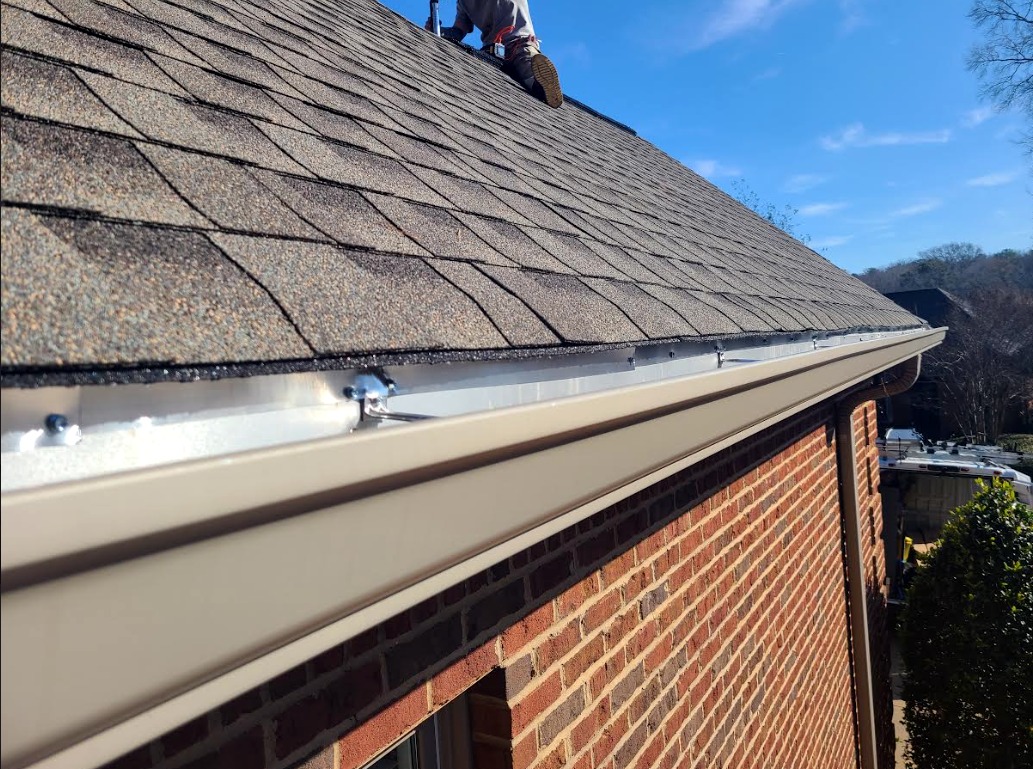
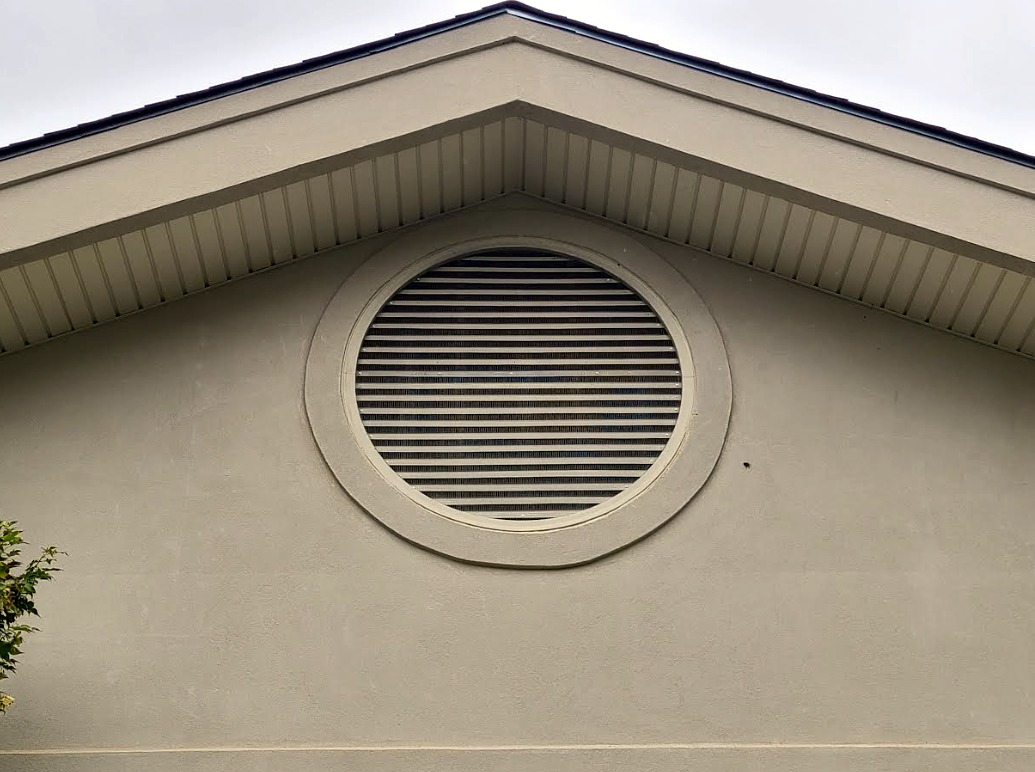
Examples show Critter-Ridder exclusion and repair work. Warranty coverage depends on the completed written project scope.Common questions
These answers provide general direction. The correct plan still depends on the property and current conditions.
Explore the complete wildlife guide →The warranty is tied to Critter-Ridder’s completed seal, mend, and repair work identified in the written project scope. The full recommended scope must be completed for the warranty to apply.
No blanket warranty should be implied for every service. The five-year warranty specifically applies to covered seal, mend, and repair work. The written project documents identify the work included.
The warranty does not cover structural components or conditions outside Critter-Ridder’s control, including shared walls, wood rot, exposed sewer pipes, shallow foundation footers, and the pre-existing condition or integrity of existing structures.
Yes. The warranty is transferable. The written project documentation governs the covered work and any applicable transfer requirements.
The project proposal and written warranty documentation provided for the completed scope control the exact coverage, limitations, and any applicable transfer requirements.
The next step is inspection
Tell us what you are noticing and where it is happening. Critter-Ridder will help determine the appropriate next step.