SC Highway 6
A principal north-south connection through the White Knoll area.
Southern Lexington County coverage
White Knoll extends through the SC Highway 6 and Platt Springs Road area south of Red Bank, where subdivisions, larger lots, school corridors, wooded edges, and rural transitions come together. Wildlife inspection may need to consider roofline details, vents, crawlspace access, utility openings, garages, and detached structures.
Serving White Knoll by confirmed availability · Lexington County
Community context
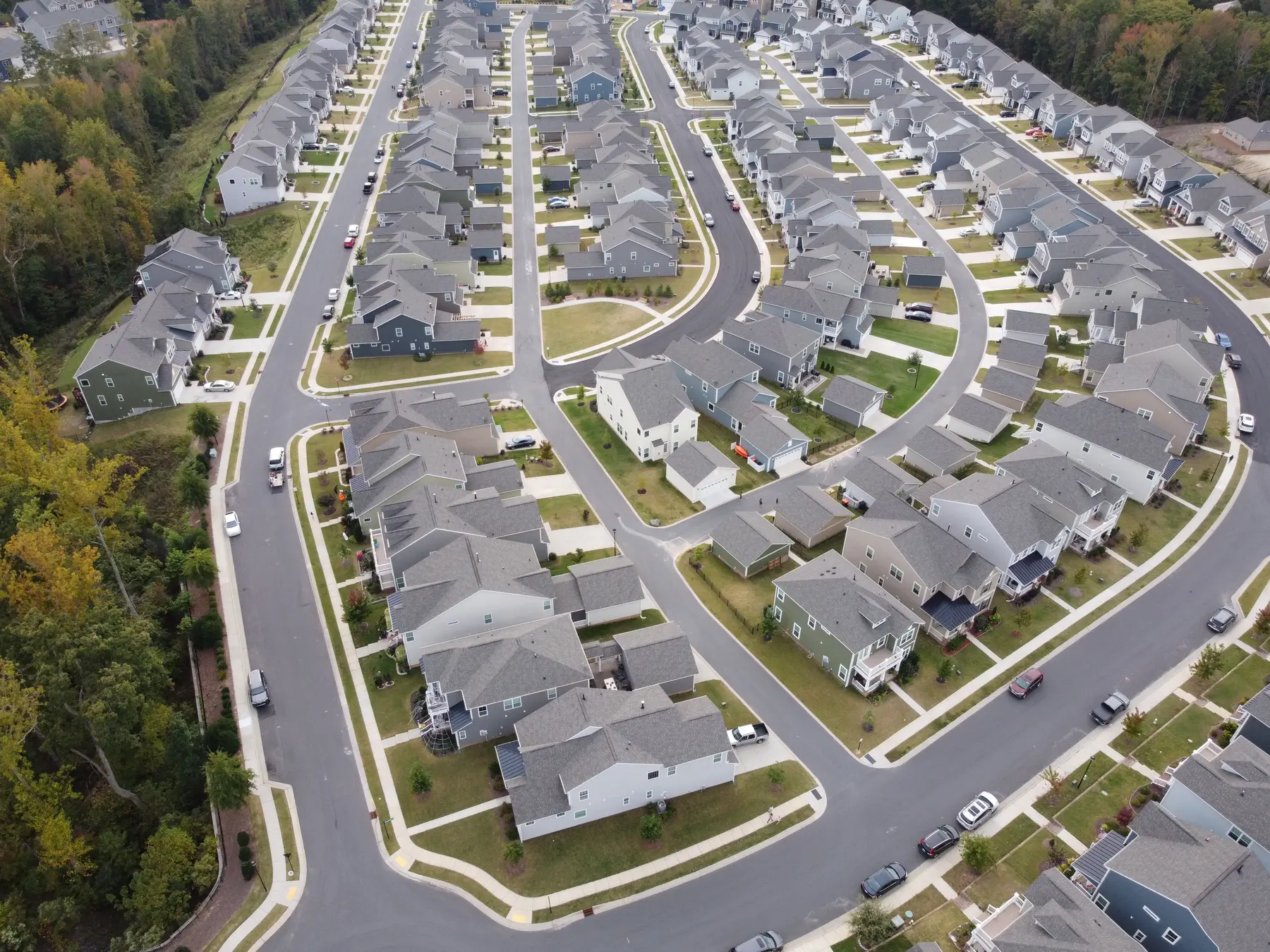
White Knoll is an unincorporated Lexington County community south of Red Bank. The area is connected by SC Highway 6 and Platt Springs Road and includes established subdivisions, newer homes, school campuses, larger residential lots, and rural edges. That variety means the inspection should account for both construction details and the surrounding property.
A principal north-south connection through the White Knoll area.
A major local corridor connecting neighborhoods, schools, and nearby communities.
Subdivisions, larger lots, tree lines, and detached structures create different inspection priorities.
Visual property clues
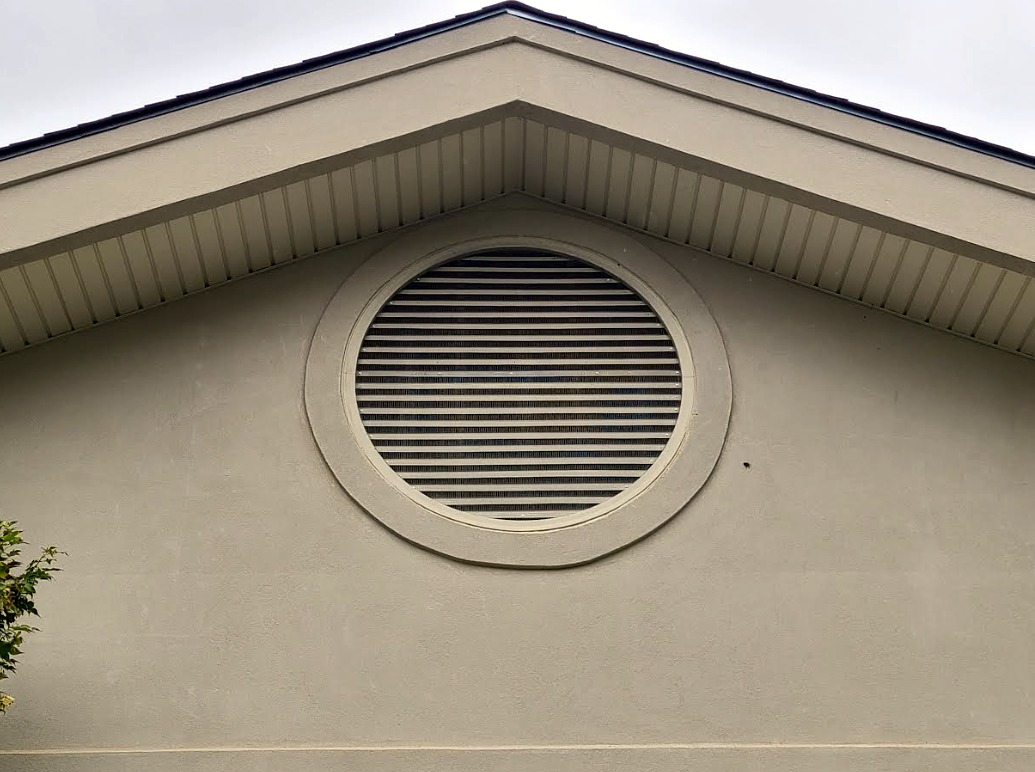
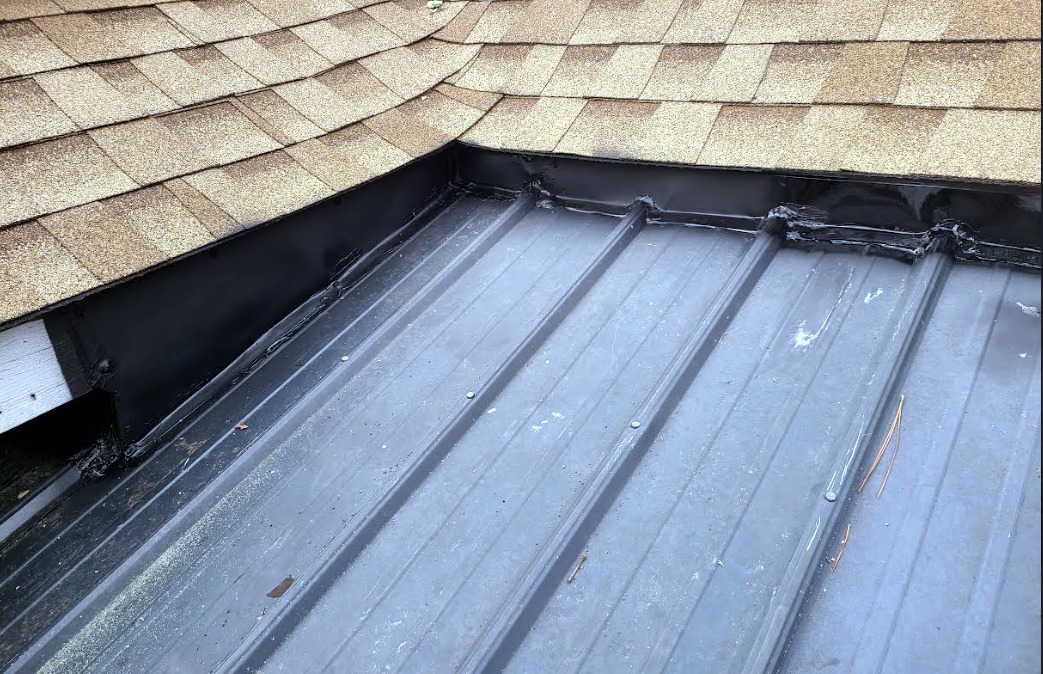
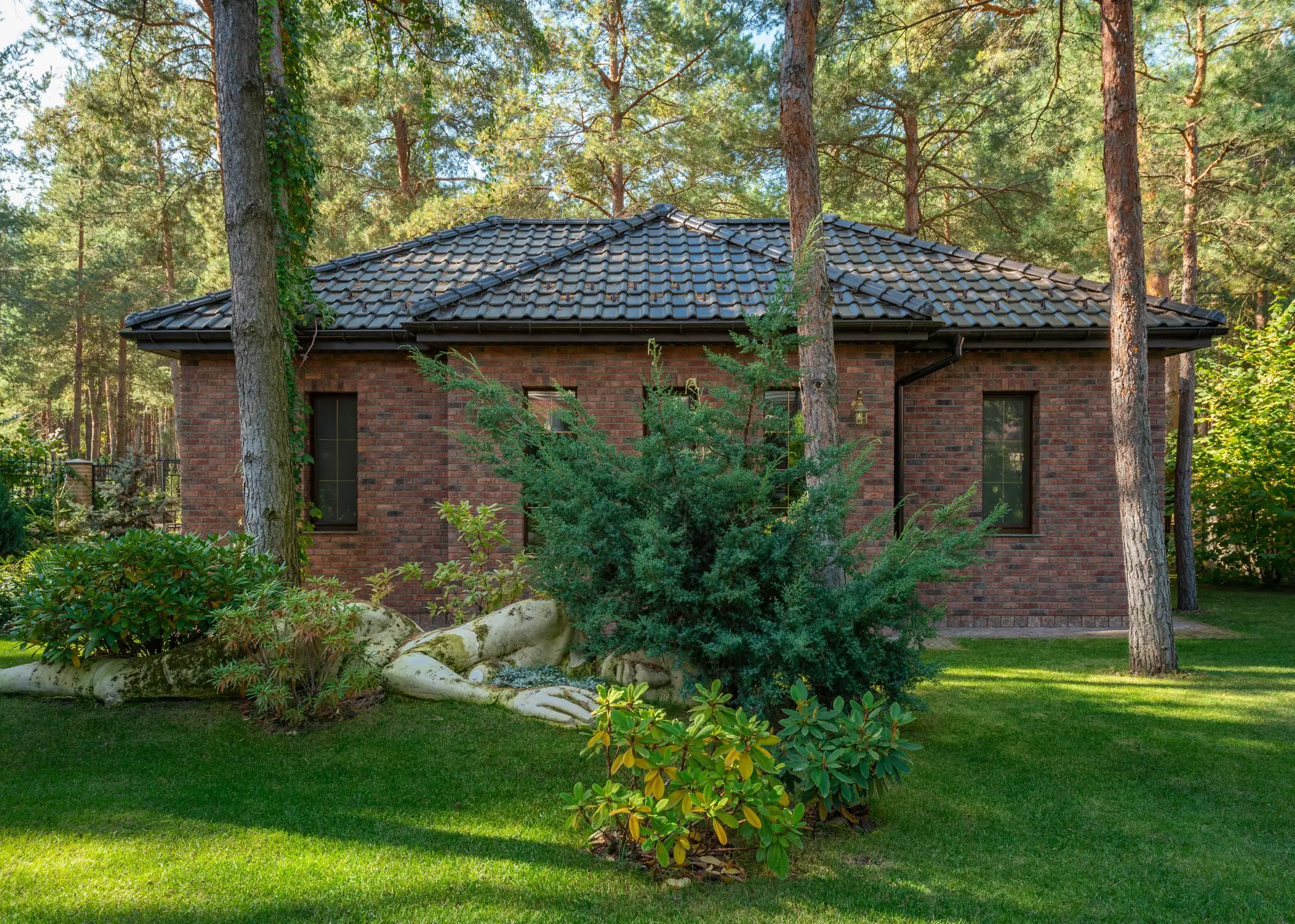
Soffits, roof intersections, vents, utility penetrations, crawlspace doors, garages, sheds, decks, and tree lines can all matter when wildlife activity is reported. The useful question is not only which animal may be present, but how the property is allowing or supporting the activity.
Local property considerations
A White Knoll inspection should consider whether the property is in a denser subdivision or on a larger lot, the age and condition of the structure, roof and siding transitions, accessible attic or crawlspace areas, detached buildings, vegetation, and drainage. The recommended plan follows the evidence and accessible conditions found.
Vents, soffits, fascia, roof intersections, and accessible upper-entry conditions.
Crawlspace doors, foundation vents, utility penetrations, siding transitions, and ground-level gaps.
Garages, sheds, workshops, decks, and separate buildings that may require their own assessment.
Subdivision density, larger lots, tree lines, drainage, and exterior conditions that may influence wildlife activity.
Service area orientation
Critter-Ridder serves White Knoll by confirmed availability. Service scope and scheduling depend on the property address, the reported concern, access, equipment, and whether follow-up or repair work is needed. Provide the complete address so coverage can be confirmed before the visit. The map is service-area context only and does not represent an office, storefront, business address, or guaranteed radius.
Check AvailabilityLocal service FAQs
General guidance helps you prepare. The correct plan still depends on the animal, season, access, and property conditions.
Explore the wildlife guide →Yes. Critter-Ridder serves White Knoll by confirmed availability. Provide the complete property address and a short description of the concern so the team can confirm current coverage and the appropriate next step.
They can be. A subdivision home may have repeated roofline, siding, garage, or utility-entry details, while a larger lot may also involve detached structures, tree lines, drainage, or lower-access conditions. The inspection follows the actual property rather than assuming one pattern applies everywhere.
When relevant and safely accessible, the inspection may evaluate exterior roofline conditions, vents, soffits, crawlspace access, foundation openings, utility penetrations, and other likely entry areas. The exact scope depends on the reported concern and property access.
Detached structures may be evaluated when they are part of the reported concern and within the confirmed service scope. Availability depends on the structure, wildlife activity, access, equipment, and work requested.
Submit the inspection-request form or call with the complete address, property type, and the signs you have noticed. Critter-Ridder will confirm current service availability before scheduling.
A clear next step
Tell Critter-Ridder where the activity is happening and what you have noticed. The inspection connects those clues to the property.