
Roofline & ridge vents
Evaluate gaps, displaced materials, vent edges, and vulnerable transitions.
Animal exclusion & repair
Removing an animal does not correct the opening it used. Critter-Ridder evaluates accessible entry conditions, documents relevant vulnerabilities, and recommends the appropriate exclusion and repair scope.
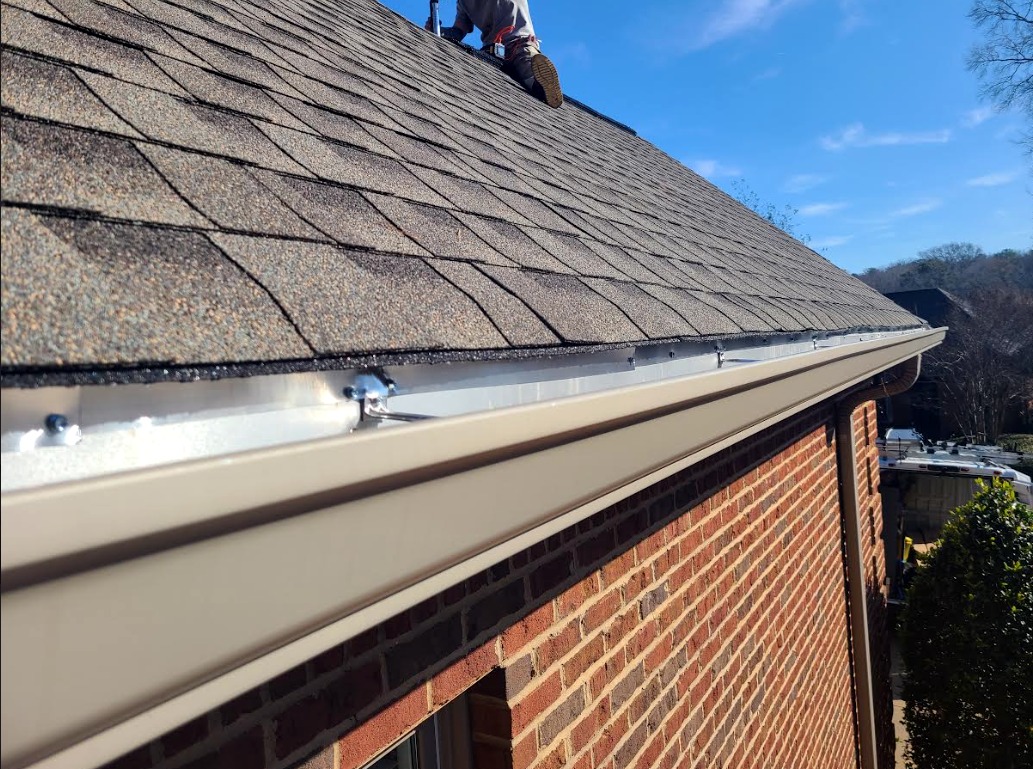
What the inspection considers
Wildlife can use multiple pathways between a roofline, attic, wall system, foundation, crawlspace, and exterior structure. Entry gaps vary by construction, size, material, and location. Critter-Ridder documents the problem area, recommends the appropriate repair, and identifies completed work in the project scope.
Evaluate gaps, displaced materials, vent edges, and vulnerable transitions.
Inspect accessible junctions where trim, siding, and roofing systems meet.
Review vents, sill gaps, utility penetrations, and AC line entrances.
Determine whether screening, caps, or related protection is appropriate.
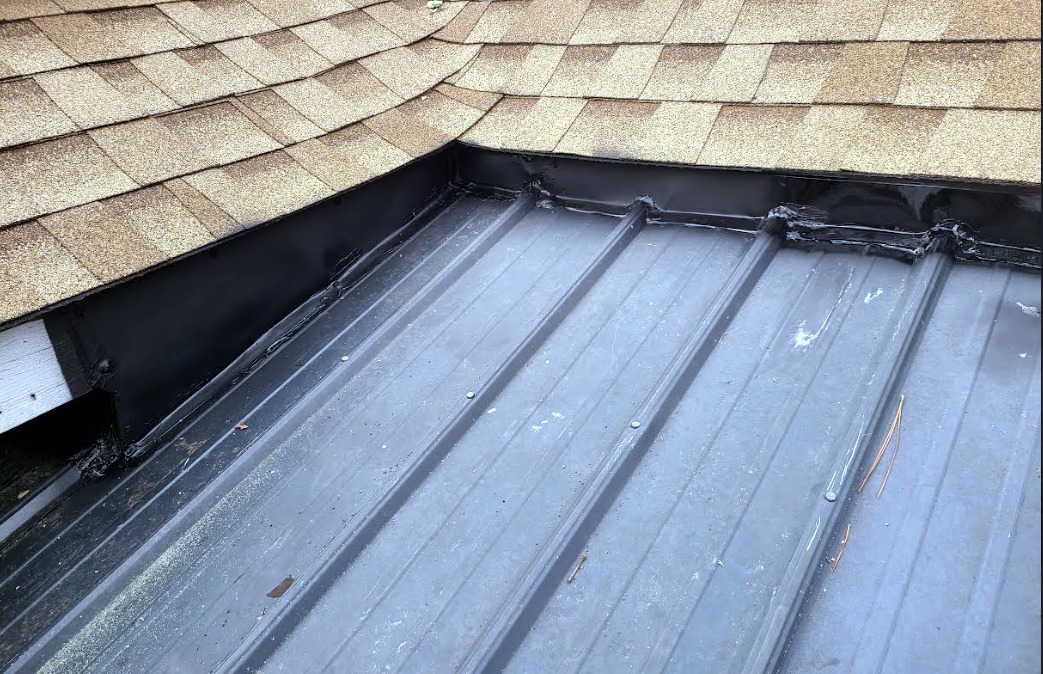
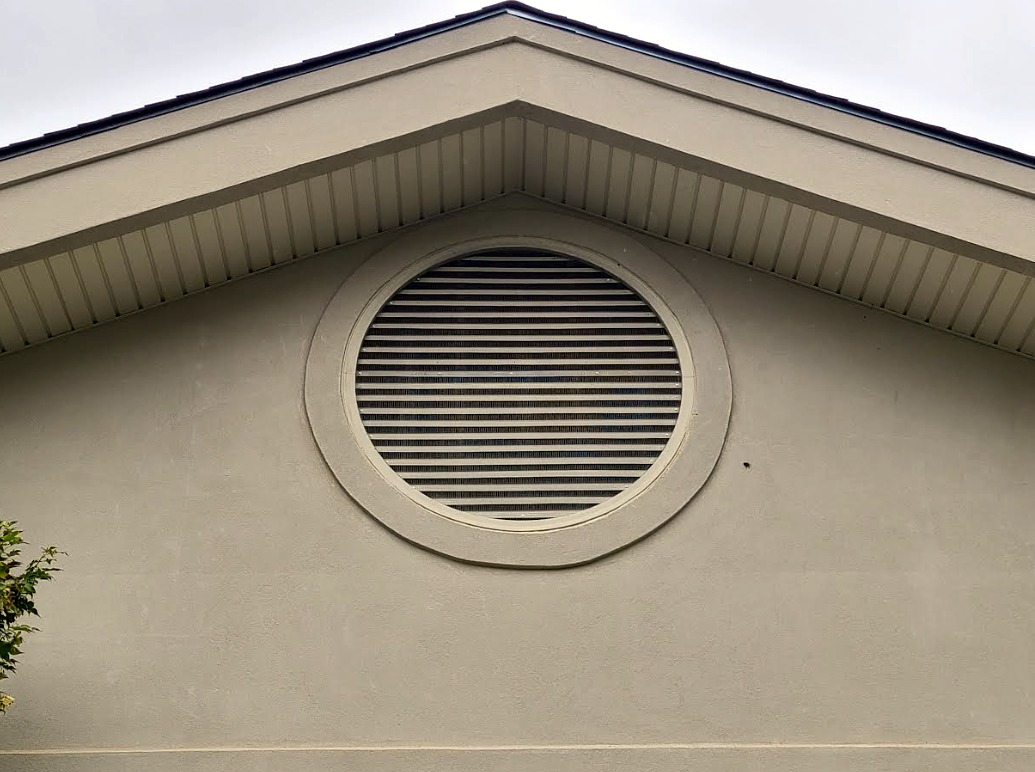
The Critter-Ridder approach
The exact method depends on the species, property, season, accessible areas, and approved scope.
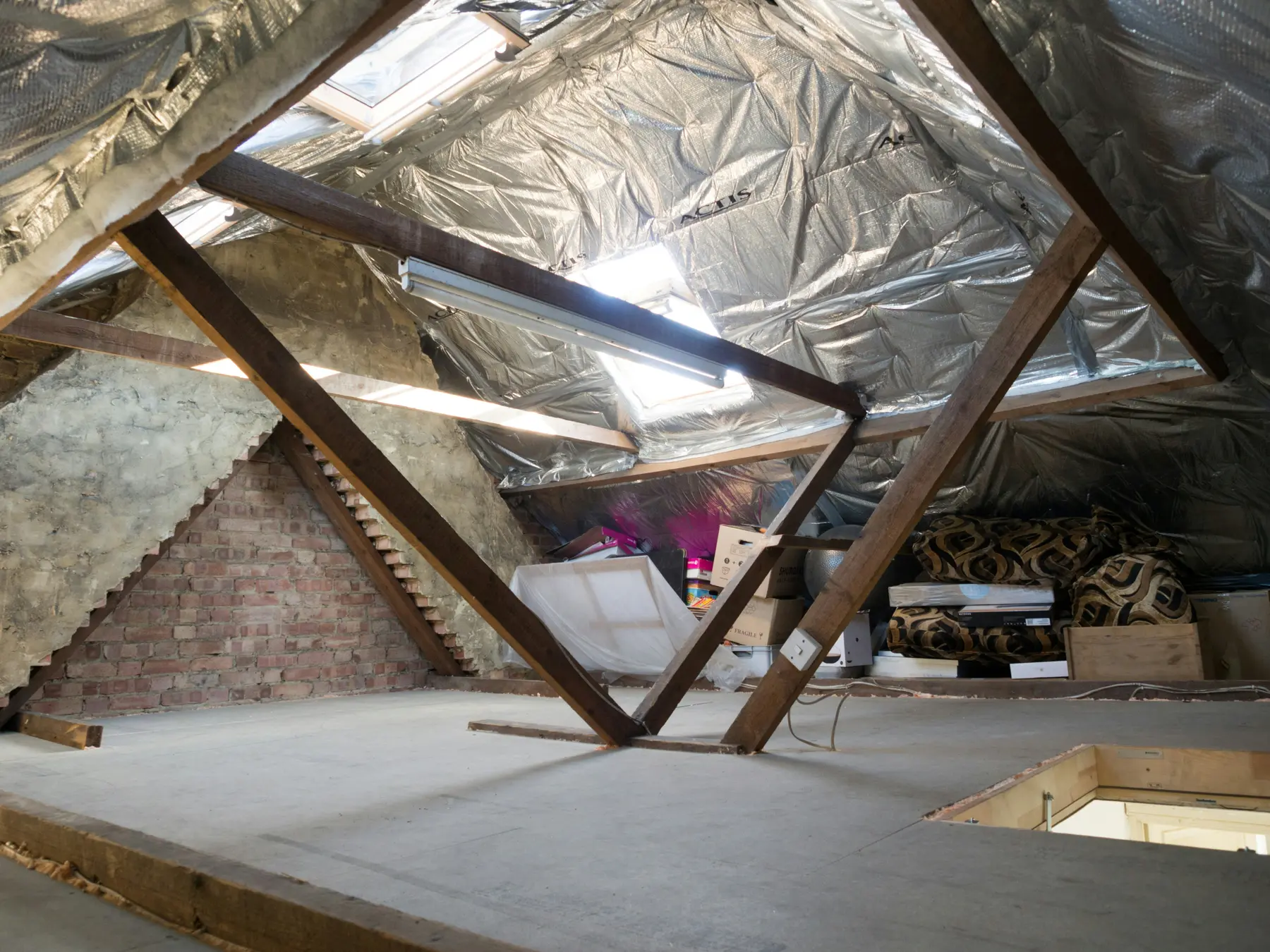
Identify accessible evidence, active openings, and secondary vulnerabilities.
Separate immediate access from broader prevention opportunities.
Complete the approved repair and exclusion scope using verified materials.
Warranty & follow-up
Complete the full recommended seal, mend, and repair scope, and Critter-Ridder backs the covered work with a five-year transferable warranty. Coverage applies to the work identified in the written project scope and excludes structural conditions outside the company’s control.
Common questions
These answers provide general direction. The correct plan still depends on the property and current conditions.
Explore the complete wildlife guide →An inspection evaluates accessible areas, visible evidence, likely travel routes, and common vulnerabilities from the roofline to the foundation. Some openings are concealed behind siding, roofing, additions, insulation, landscaping, or areas that cannot be accessed safely during the first visit. The findings should distinguish confirmed openings from suspected or inaccessible conditions and explain whether monitoring, additional access, or follow-up is appropriate.
Exclusion is intended to stop wildlife access using materials and methods appropriate to the approved opening. The finished appearance depends on the location, existing construction, matching materials, and the exact repair scope. Your proposal should state which openings and materials are included and identify structural, roofing, carpentry, painting, or cosmetic work that requires separate approval or another qualified trade.
Qualifying seal, mend, and repair work may carry approved written warranty terms, but a warranty is tied to the completed scope—not every future wildlife condition anywhere on the property. Coverage can be affected by excluded recommendations, new damage, building deterioration, other contractors’ work, additions, storms, wood rot, or access through an area that was not part of the original repair. Review the final written terms so the covered work, duration, exclusions, transfer conditions, and service-call rules are clear.
Wildlife can test and use more than one weak point, especially after an active route is closed. A roofline, soffit, vent, chimney, utility penetration, or crawlspace may contain several nearby gaps even when only one shows obvious staining or damage. Addressing approved secondary vulnerabilities reduces the chance that the animal simply shifts to the next available opening.
The main risk is assuming that every animal—including dependent young—has left and that the visible opening is the only route. Closing it prematurely can trap wildlife inside or redirect it into another part of the structure. The repair also needs to preserve ventilation, drainage, chimney function, and the integrity of surrounding materials, so the condition should be understood before permanent closure.
The next step is inspection
Tell us what you are noticing and where it is happening. Critter-Ridder will help determine the appropriate next step.